

A Quiet Green Revolution
Find out how the Central Scotland Green Network (CSGN) has got plans off paper and onto the landscape. Let the projects show how investing in Nature is bringing real dividends for Scotland's communities, economy and jobs.
Sometimes change is gradual and we don’t notice it. The CSGN greening has been taking place over the past 15 years. Let's time travel and explore the rash of environmentally positive projects undertaken so far.
Location of GAT Projects Delivering CSGN ambitions, 2014 to 2023

And this is only the tip of the iceberg. There have been many more projects undertaken by local authorities, the private sector and NGOs from whom complete data is not yet available.
A Quiet Green Revolution
Let me tell you a story about a quiet revolution that has been taking place, over 15 years, right under our noses in Central Scotland. A green revolution, not just trees and landscapes, but about people, places, and partnerships.
Through powerful partnerships, councils, NGOs, agencies, local groups, landowners and the private sector, the Central Scotland Green Network has been “turning on “green lights and transforming land and lives.
The Central Scotland Green Network (CSGN) is one of Europe’s largest green infrastructure projects. But more importantly it’s a vision, of a greener, fairer, and more prosperous future for everyone who lives here. That green vision is underpinned by a vibrant network of green professionals across 19 local authorities and other partners.
The Central Scotland Green Network (CSGN) is one of Europe’s largest green infrastructure projects.
Making Plans Work
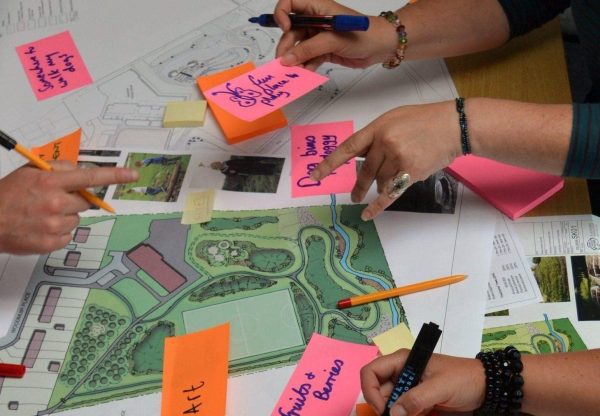
The National Planning Framework 4 (NPF4) is Scotland’s national spatial strategy and aims to create great places that support sustainable economic growth. The CSGN is an important national development of the NPF4 and the ambition of the CSGN is taken forward through Local Development Plans, Local Biodiversity Plans and associated strategic policies across 19 local authorities. In this way, we’re ensuring that Central Scotland becomes a more attractive, inclusive, and sustainable place to live, work, and invest in.
From Paper to Project - Bringing Plans to Life!
Better Barrhead
Within the East Renfrewshire Local Development Plan, the Barrhead South Strategic Development Opportunity area was identified to create places which function for both people and nature. Through the ‘Better Barrhead’ initiative, East Renfrewshire Council developed a Masterplan for the redevelopment of the town centre. This strategic blueprint placed greenspace at the heart of future regeneration activity. Having a masterplan, derived from the NPF4, gave certainty on what needed to be done. This helped to inform and speed up the planning process and assisted the generation of funding packages which delivered key elements of the plan. As a result, East Renfrewshire Council was awarded money from the CSGN Development Fund to create design proposals for approximately 15ha of green network. This provided the community with greater links to wider greenspaces, planting of 200 semi-mature trees, 1,500 linear metres of footpath, new bridges, benches and other street furniture, landmark sculptures, and features and riverside improvements. This demonstrated the core CSGN principle, that quality green space is vital to economic regeneration and that well-made and well executed plans founded on good policy and elaborated by community engagement can bring change to life!
Read more about this project >
Getting Sight of Sighthill
The Sighthill masterplan, developed by Glasgow City Council, addresses the vision of the CSGN to tackle the social and economic issues of the area, head on.
Turning a challenging situation, into positives, the plan delivered a sustainable solution to maximise Sighthill’s green and human potential. Sighthill was one of the early action areas to benefit from a £1bn plus City Deal programme. A well-conceived masterplan recognised that the site had many problems. The delivery of appropriate green infrastructure was at the very heart of the new vision, with the masterplan retaining as much of the existing natural assets as possible with features such as woodland, rocky outcrops and varied topographic levels incorporated into the plan. The creation of Sighthill Park, a unique, attractive green spine that flows through the development, facilitates active travel and creates recreational and social opportunities.
This award-winning masterplan received industry awards such as the Pineapple Award and the Scottish Design Award for its innovative and transformational approach and it exemplifies the spirit of the CSGN in its most urban spaces. Check out the video >


Let’s travel through time and place and discover the stories behind this green revolution and the impacts it has had on people living in Central Scotland.
Isa's Story. Falkirk Transformed
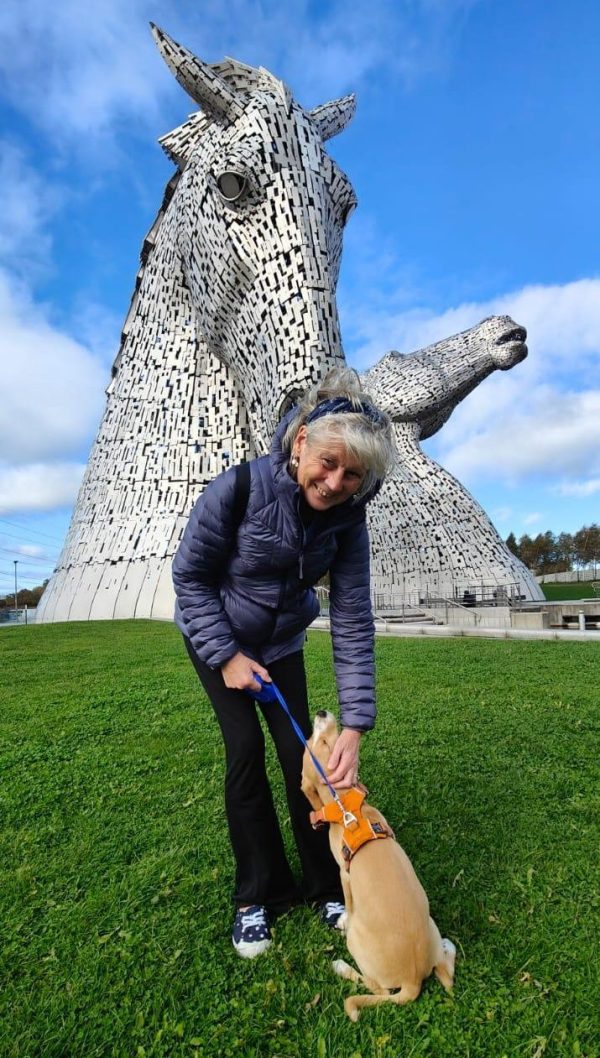
“I still mind the old days. Concrete, smoke, the buzz of the motorway stretching like grey ribbons past Falkirk and Grangemouth. My name’s Isa, and I’ve lived in Falkirk all my life, long enough to see it change in ways my Grannie could never have imagined.
"It started slowly. The old Carron Iron works, where my Dad worked, became the Helix Park and Kelpies, with a green backdrop as trees were planted and the sculptures they made are just beautiful. My cousin having been made redundant, got a great wee job in the visitor centre there and we regularly take Biscuit, the dog for a walk and go to many of the events. It’s breathed life back into Falkirk.
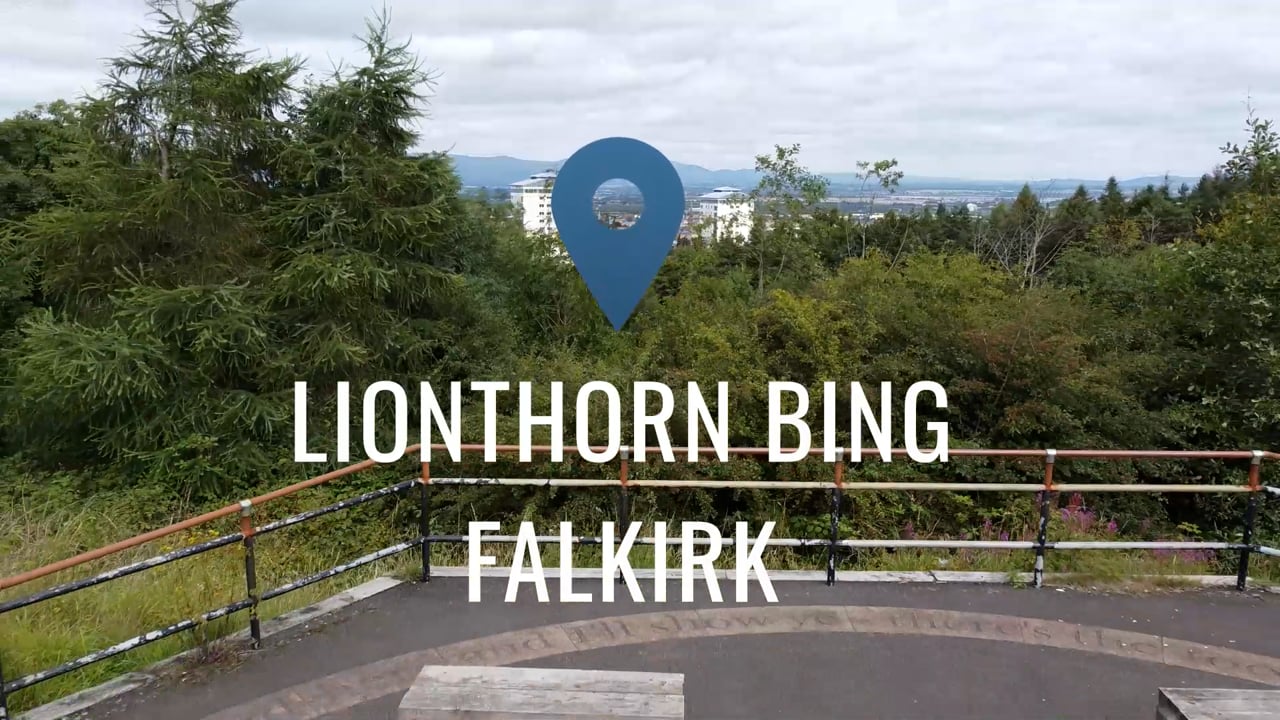
"Within a decade, the old industrial estate, rusting reminders of our industrial past, have been rewilded. Wildflowers now blanket the bones of the former factories. Bees and butterflies, almost gone when I was a lassie, are everywhere. When the works and pits shut it was really bad for a while, but change can be for the good sometimes, and we have the pride back in our Toon again and different work has come back in. Back then, when I was wee, the coal bings still towered. Now I walk through Lionthorn Bing and listen to the bird song and enjoy the peace and quiet. What a difference they have made to it. Once derelict and disused, now a living, breathing example of how a place like Falkirk can change, not by forgetting oor past, but by letting nature write its future."
(This is a composite story made form the inputs received from people associated with these CSGN projects.)
CSGN - Greening the Economy
Central Scotland used to be largely a land of coal and smoke and industry. Now it’s a patchwork of green corridors that have had a positive impact on the Scottish economy.
One of the biggest regeneration projects in recent years has been the Helix Park and the Kelpies. The Central Scotland Forest Trust, a precursor of GAT, was involved in the early stages of this work. The Helix Park in Falkirk opened in 2013. It was designed to transform underused, post-industrial land into a space for people, wildlife, and sustainable travel. At the heart of this park are The Kelpies, two 30-metre-tall steel horse head sculptures designed by sculptor Andy Scott. They were completed in 2014 and stand as modern landmarks, inspired by Scotland’s working horses that once pulled barges along the canals and powered industry.
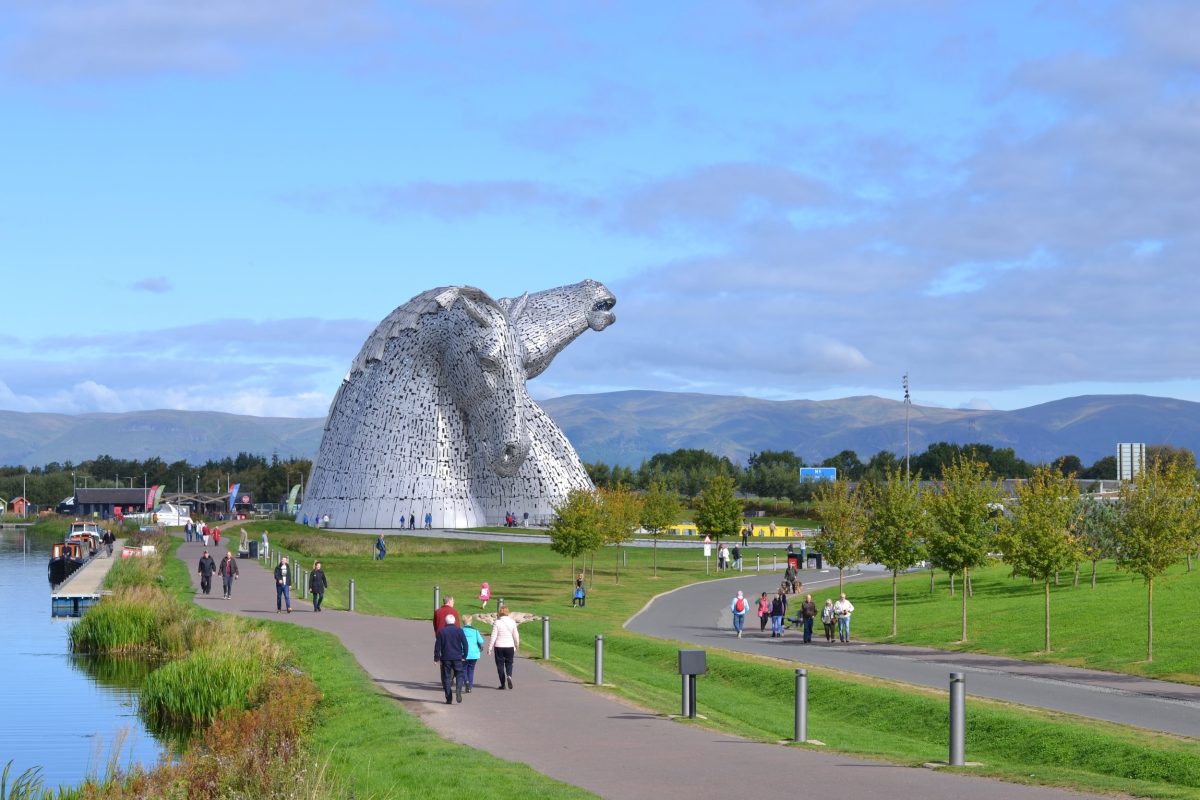
Helix Park and The Kelpies have significantly boosted the local and regional economy, with over 1.5 million visitors per year, making them one of Scotland’s most visited free attractions. They created construction jobs during development and now support roles in hospitality, park management, and tour guiding and contribute millions annually to Falkirk’s economy.
The Helix was also designed with sustainability and biodiversity in mind. The former wasteland has been reshaped into wetlands and wildflower meadows, creating habitats for birds, insects, and aquatic species. 27km of cycle and walking paths, encouraging low-carbon commuting and healthier lifestyles, were developed and the project linked the Forth & Clyde Canal with the River Carron, improving waterways and enabling boating and eco-tourism. The local community have access to high-quality green space, pollution has been reduced and well-being improved.
The Helix and Kelpies are a living example of regeneration, showing how art, heritage, environment, and economy can come together. What was once industrial land is now a thriving hub of tourism, biodiversity, and community pride and an example and inspiration for projects of the future.
With around 66% of all Scottish businesses (ONS, Business demography, UK, 2023 data published 18 November 2024) located across the CSGN area, a clean, healthy and attractive environment can attract investment, making the area more appealing for businesses, residents, and visitors.
The Helix and Kelpies show what can be done on a grand scale, but other spaces have been regenerated that have been transformative for their local communities. One important and direct means by which the CSGN helps to achieve this, is by inspiring and facilitating the development of quality greenspaces, particularly on vacant and derelict land (VDL) sites. Areas such as the former steelworks at Ravenscraig in North Lanarkshire and the coal works at Lionthorn Bing in Falkirk are excellent examples.
Watch the video about the transformation of Lionthorn Bing
Unlocking Scotland's Vacant Land
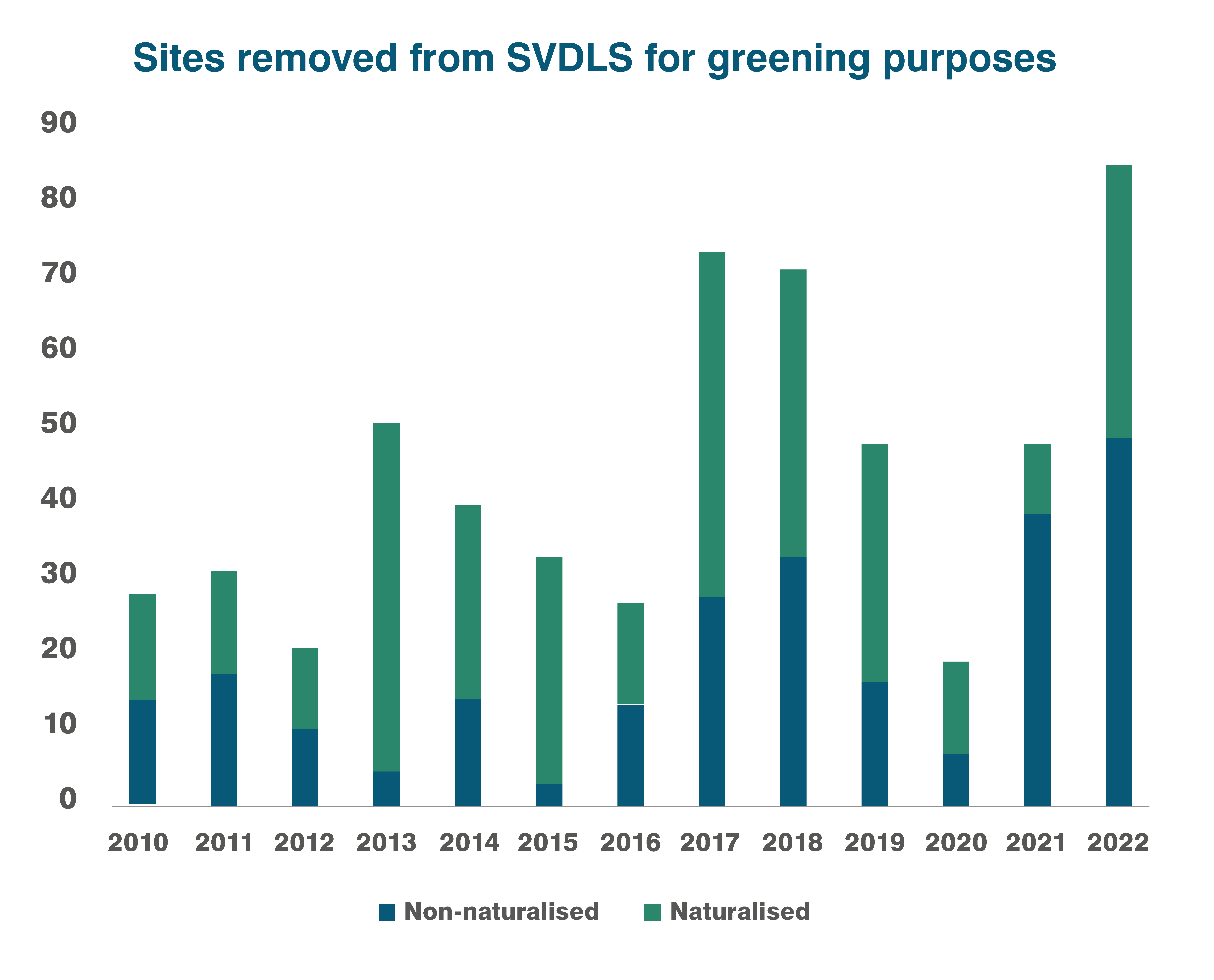
Scotland has over 9,000 ha of vacant and derelict land (VDL), over half of which has been classified as such for 20 years or more, but this bleak picture also highlights a huge opportunity. Source; GAT analysis of Scottish Vacant & Derelict Land Survey, 2023 data. Scottish Government published 30 September 2025.
By transforming these sites, we reverse their negative impacts and bring about positive social and environmental change. Over the past 15 years, the requirement to deliver the CSGN has stimulated organisations such as Scottish Vacant & Derelict Land Task Force to provide guidance which has caused some 2,000 Ha of land to be taken off the VDL register in recognition that they provide vital greenspace. Many of the 450 sites removed were located in our most disadvantaged communities.
The impact and scale of recognising the opportunity of land classed as VDL in delivering the greenspace through naturalisation is shown in the chart opposite.
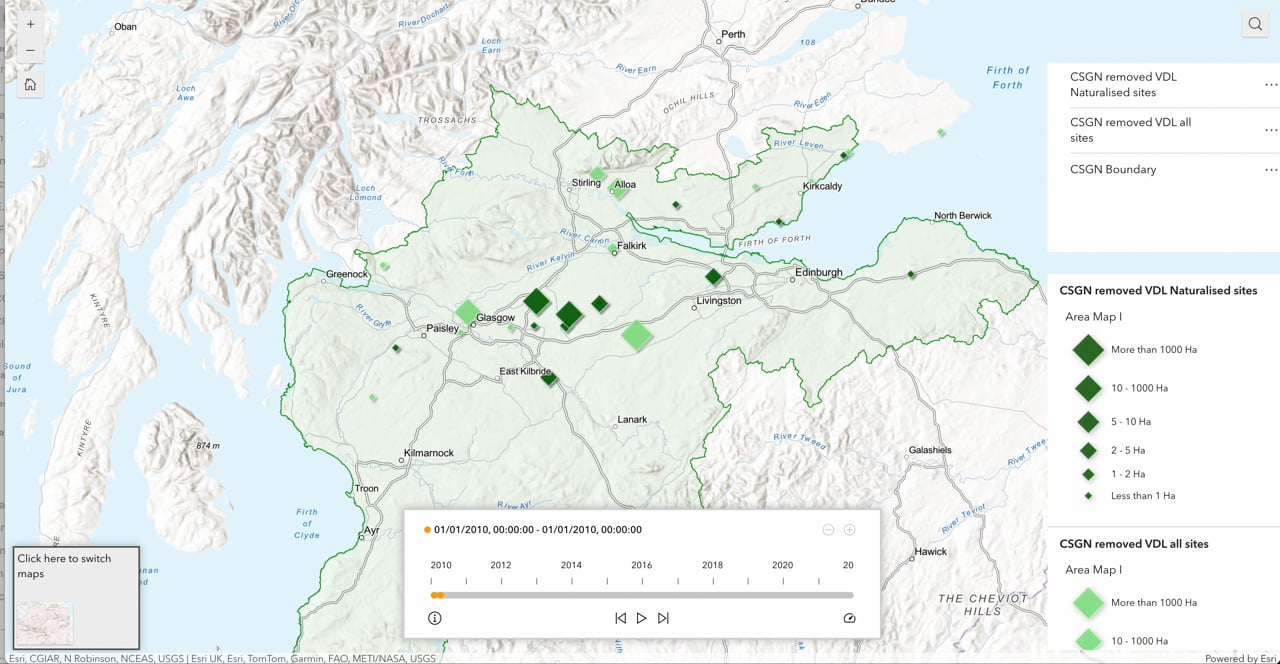
See the amazing transformation of how vacant and derelict land has turned from grey to green in the past 15 years. This animated map shows the location of vacant and derelict land sites that have been removed from SVDLS register since 2010 for greening purposes.
Green Jobs
The CSGN’s impact goes beyond trees and trails.
Through its partnerships, the CSGN has created jobs and training opportunities in some of the region’s hardest-hit communities. Local people have been employed to build paths, plant trees, manage landscapes and deliver nature-based learning. Former industrial workers have retrained in ecological restoration and energy-efficient construction.
By working with Skills Development Scotland, local colleges and employers, CSGN partners are making sure the green transition is also a just transition bringing investment into communities and supporting long-term economic resilience.

The Cassiltoun Trust received four rounds of CSGN Development Fund cash between 2010 and 2015 to run a woodland employability scheme. This was centred around Castlemilk Woodlands, which are about 30 hectares around a densely populated Glasgow housing scheme. For many years the woodlands and path network have been neglected and local residents have increasingly viewed the park as a no-go area and a focus for anti-social behaviour.
Through the project, work to manage and enhance the local woodlands in Castlemilk, enabled dozens of people who were unemployed to received work experience, training and skills development. Several kilometres of paths and steps within the woodlands have been maintained or improved. The project led to increased use of the woodlands by local people, with a subsequent reduction in anti-social behaviour. With the trees, people grew too, with many participants moving on to employment, education or gained further qualifications.
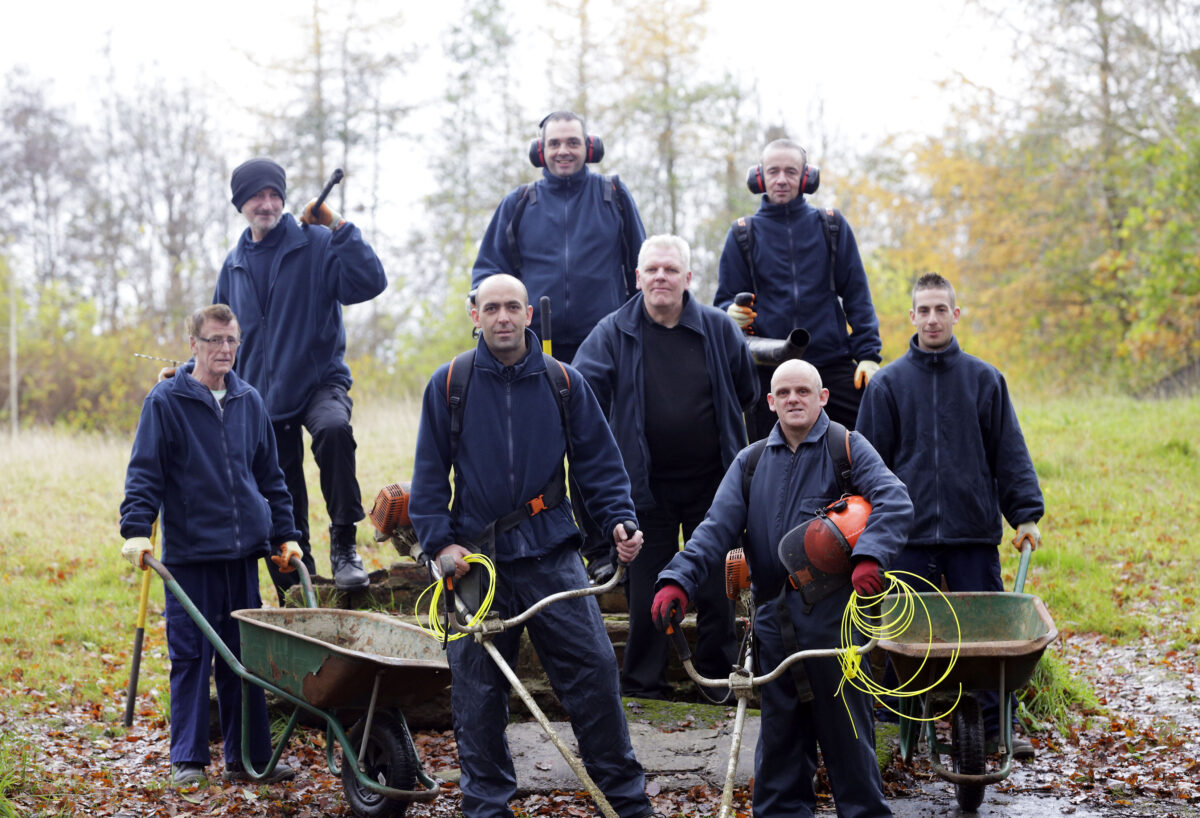
Credit: Castlemilk Park Employability Project (Credit Iain McLean)

It’s a no Brainer! Working the John Muir Way.
The John Muir Way is a 134-mile coast-to-coast route in Scotland, stretching from Helensburgh on the west coast to Dunbar on the east. It's one of Scotland's Great Trails, offering a mix of walking and cycling paths through diverse landscapes. The John Muir Way provides a unique opportunity to demonstrate good practice in improving greenspace and habitats along a linear feature. It enhances places for people and nature and shows how spaces, large and small can be improved for biodiversity and linked together to form a network across urban and rural settings. It was a project that really embodied the CSGN, incorporating multiple partners who realised a shared vision.
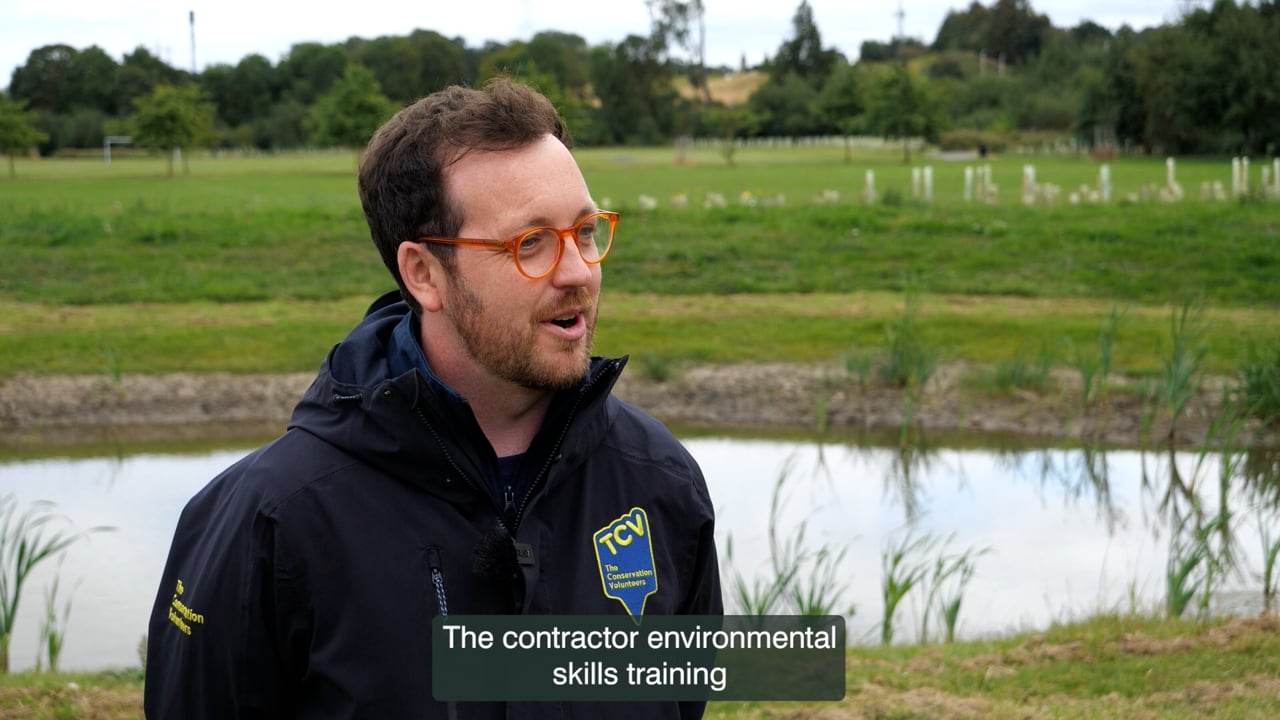
Following a greening study of the John Muir Way undertaken by the Green Action Trust (GAT), The Conservation Volunteers (TCV) generated an inspirational people and nature project. This transformative initiative aimed at enhancing the biodiversity of this iconic Scottish trail, through the support of The National Lottery Heritage Fund, upskilled dedicated trainees in wildlife conservation to bridge the green skills shortage and addressed the skills gap in the region.
Watch the inspirational video made, by the young people themselves.


