

When the Land Breathed Back
Nature is coming back!
Society is learning the error of its ways in how we have (ab)used the land over many centuries. Nature has been damaged. Building and development has fragmented habitats cutting us and animals off from each other.
Yet, communities, working with CSGN partners have restored large areas of land. The return of wildlife, and healthy landscapes contribute to reducing the effects of climate change. Importantly, connecting with nature is good for human health and well-being too. Read some good news stories on how the land breathed back!
Turning Crisis into Action
The challenges of climate change and biodiversity loss are profound, but they also present a powerful opportunity for renewal. Across Central Scotland, communities, partners, and organisations are coming together to restore nature, cut carbon, and reimagine the places where we live, work, and play.
The CSGN has turned crisis into action, transforming vacant land into thriving greenspaces, expanding woodlands that capture carbon and give wildlife a home, and creating routes that make active, healthy travel part of daily life.
By working with nature rather than against it, we can build a future where:
- People and wildlife flourish side by side.
- Communities are healthier, greener, and more resilient.
- Scotland leads the way in tackling the climate and nature emergencies with fairness and ambition.
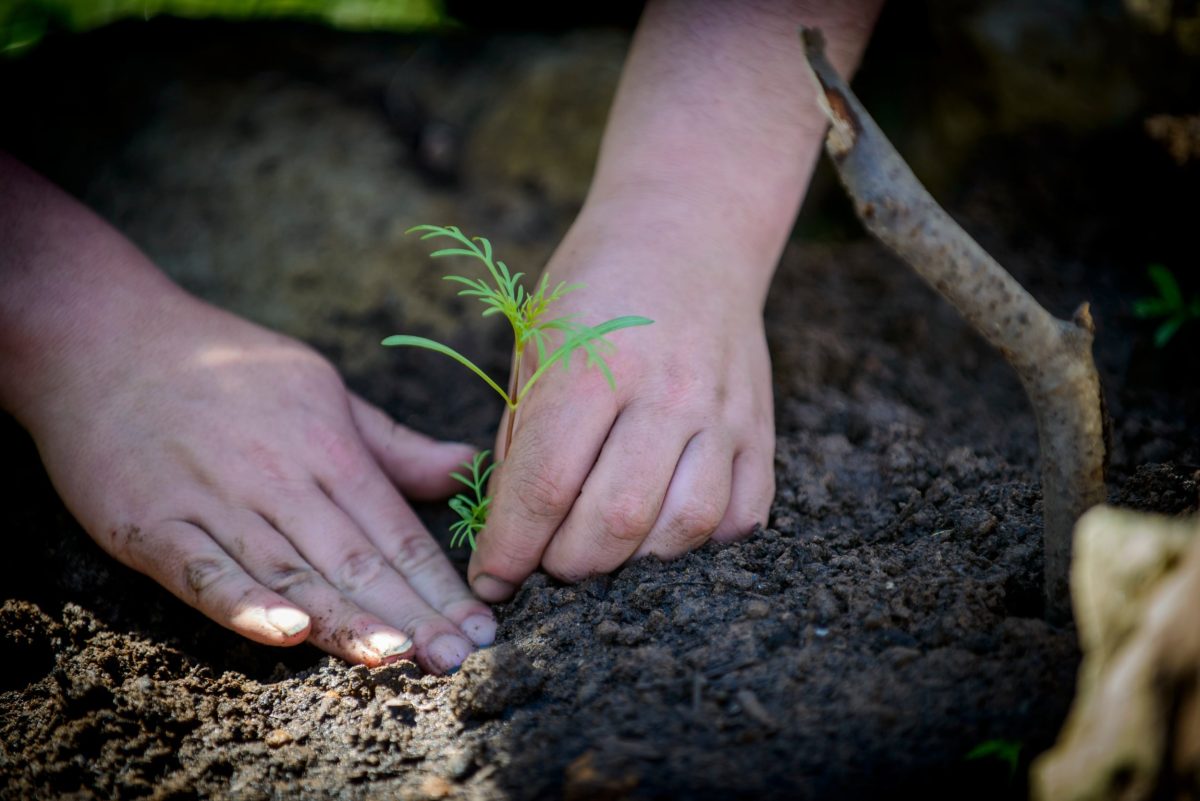
The nature and climate crises demand urgent action, but they also offer us hope. Every tree planted, every path created, every greenspace restored brings us closer to a 2050 vision of a greener, fairer, and more resilient Central Scotland.
As a strategic, long-term national development, aligned with Scotland’s climate, biodiversity, health, and planning objectives, the CSGN can deliver integrated action across sectors. It delivers practical, landscape-scale intervention, increases woodland cover, restores peatlands, creates ecological networks, reclaims derelict land, and promotes active travel.
By working with partners across the public, private, and third sectors, the CSGN is delivering place-based solutions that contribute directly to Scotland’s net zero targets, climate adaptation goals, and commitments under the Scottish Biodiversity Strategy.

The CSGN. A Necessary Lifeline
Local authorities have promoted the CSGN for years, through local development plans and talk of connecting people and nature and of greening towns and cities. With the effects of climate change accelerating, it has shifted from an idea to a necessary lifeline. It is needed to address climate change and restore nature. It must be the driver of how Central Scotland is responds to the climate change and biodiversity crises, whilst considering economic and social pressures.
Local authorities have breathed new life into places with nature restoration whilst providing access for people, with transformative and innovative projects.
Charlie's Story
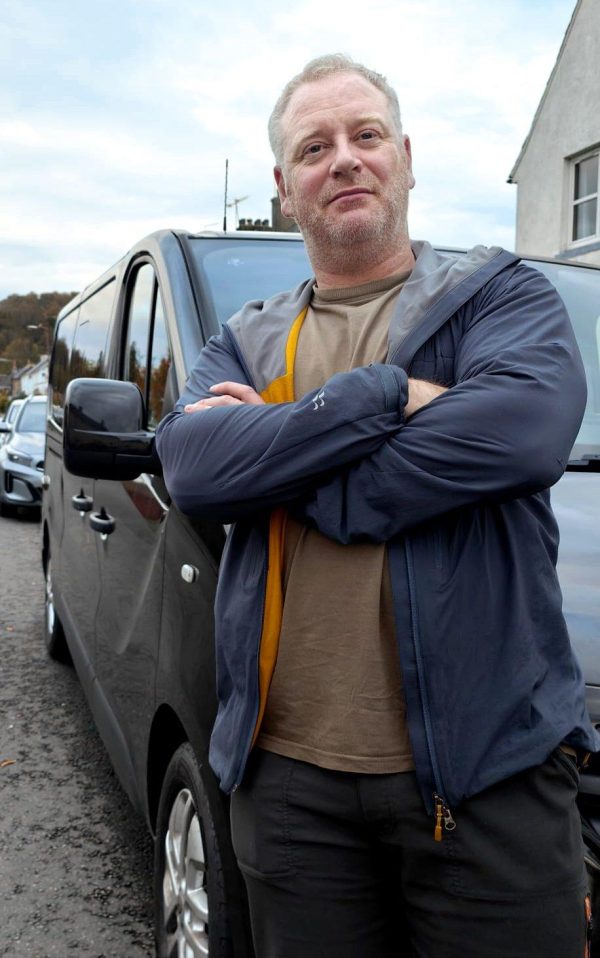
“I never thought I’d see Central Scotland turn green again, not just the springtime kind of green, but something deeper and obvious across the whole area. I’m a van driver so I see a fair bit of the central belt in my work. I did begin to notice more trees and better landscapes appearing on my routes. Greenoakhill in Glasgow’s east end sticks out. I mind that as a landfill site, now it a great place to have a break and eat my piece and just have a wee breather. I read that the trees will be helping against climate change and bring more wildlife into the city as well. The amount of greenspaces around Cumbernauld too is brilliant. They are great for my mental health and really has gone from concrete to a living landscape. I sometimes go through the Slammannan Plateau and what a difference there with the bog restored. I can spend ages watching the birds and wee beasties. I am planning to volunteer with them on my days off. And I was delivering once to the hospital, Inverclyde Royal at Gourock, and discovered this amazing wee nature reserve, Coves Reservoir right behind it, with great views and walks. Inverclyde council has really transformed that place! It is amazing all the wee hidden green gems there are across Central Scotland now! “
(This is a composite story made form the inputs received from people associated with these CSGN projects.)
Seeing Woods Through Trees
Increasing woodland cover, restoring peatland, improving the biodiversity of greenspaces and developing raingardens have been crucial strands of tackling biodiversity loss and climate change through the CSGN. In addition, large landscape scale projects such as the Inner Forth Initiatives and Clyde Climate Forest are looking to be bigger and bolder in their scope.
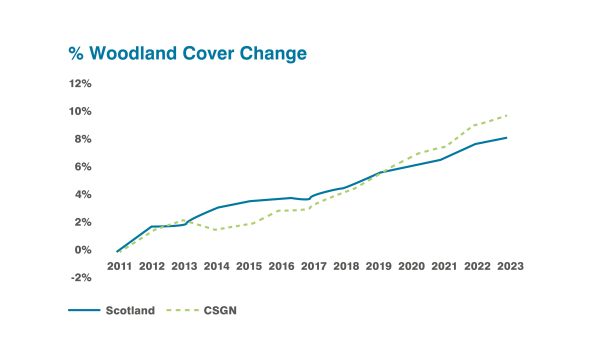
Since 2011, woodland cover has increased in the CSGN area by 10%. This is faster than the expansion across Scotland as a whole, (which is 8%) and people are beginning to notice!
CSGN woodland growth from 2011-23 totals 16,700 ha, with circa 2.4 million trees planted. That’s 8.5m tonnes carbon sequestered over the last 13 years !
Planting was at <1,000 ha per annum before the CSGN. Driving the growth forward was an effective grant scheme. This averaged £9M per annum in its last 5 years, delivering growth of around 1,900 ha per year, almost doubling the amount of planting every year.
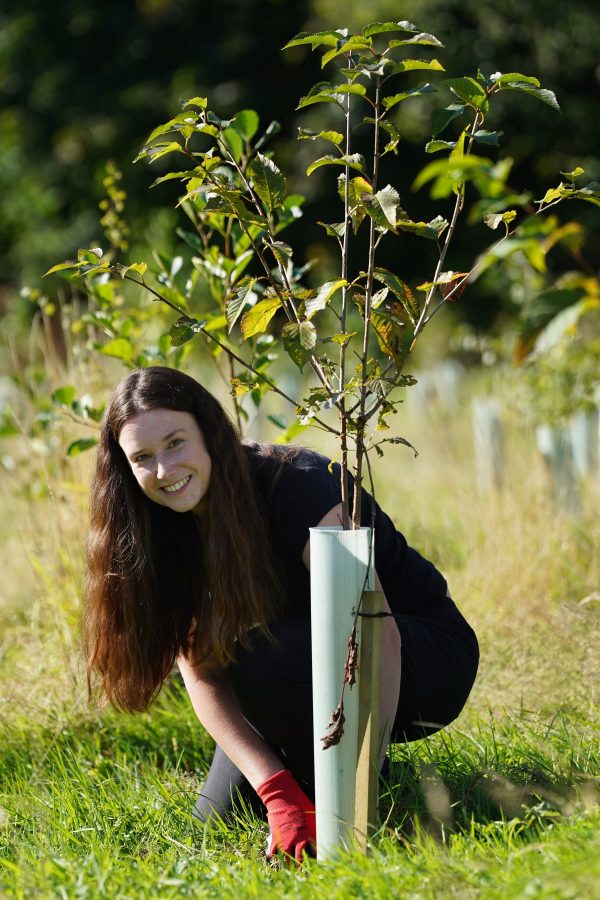
The Clyde Climate Forest
The Clyde Climate Forest was developed to expand the area of forests and woodlands throughout the Glasgow City Region. It recognises that woodlands need to fit into wider land-use needs. It seeks to encourage an increase in urban tree canopy cover and the development and delivery of green networks from Greenock to Lanark. Derived from the Glasgow City Region Blueprint for a green network, the Clyde Climate Forest is also specifically mentioned in the Implementation Plan for Scotland’s Forestry Strategy.
Here, Laura Salvage, CCF's Community Volunteer Coordinator is showing Tree Wardens to care for trees planted in CCF Target Neighbourhoods.
New "Dear Green Places"
Even in the most urban of spaces we can make room for woodlands. Glasgow is especially proud of its “dear green places”. Forestry and Land Scotland are a vital partner of the CSGN. With significant land management responsibilities across the Central Belt, they have bene pivotal in delivering the CSGN vision. They, with partners, created a green oasis on the edge of Glasgow, with newly planted trees, paths and benches overlooking the banks of the River Clyde. Keep an eye open for birds and butterflies. Find out more via Greenoakhill Woods.

A green oasis on the edge of Glasgow, has newly planted trees, paths and benches overlooking the banks of the River Clyde. Keep an eye open for birds and butterflies.
Discover more about this project >
Future Proofing
With climate change an ever present reality, there is a need to ensure green spaces remain viable in a new climate future. They can also can offer natural solutions to reduce the worst effects of the changing conditions.
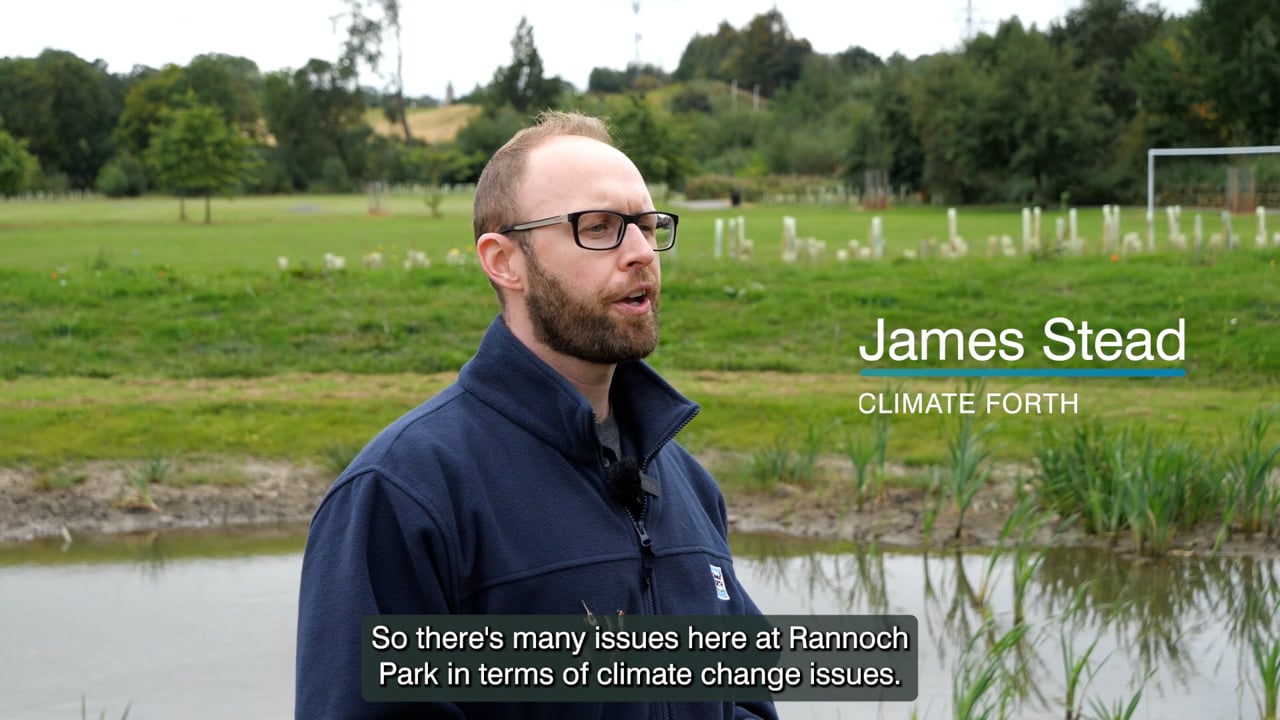
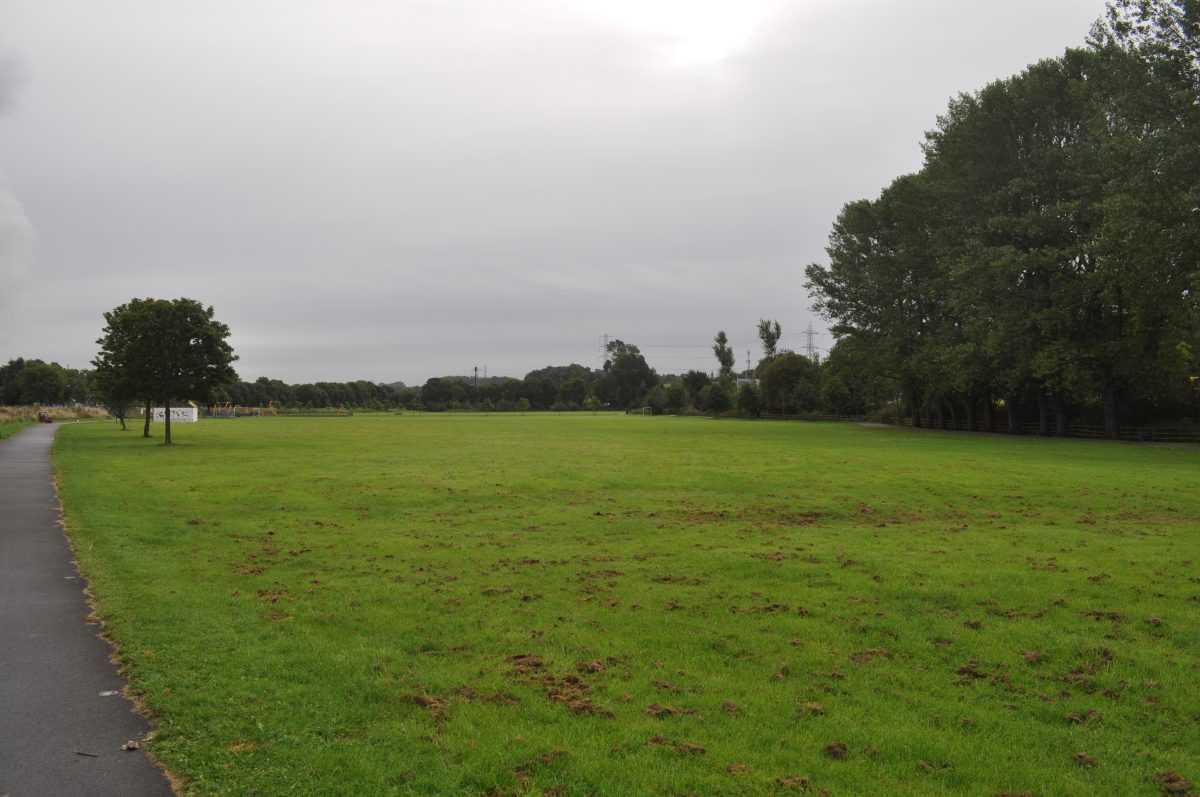
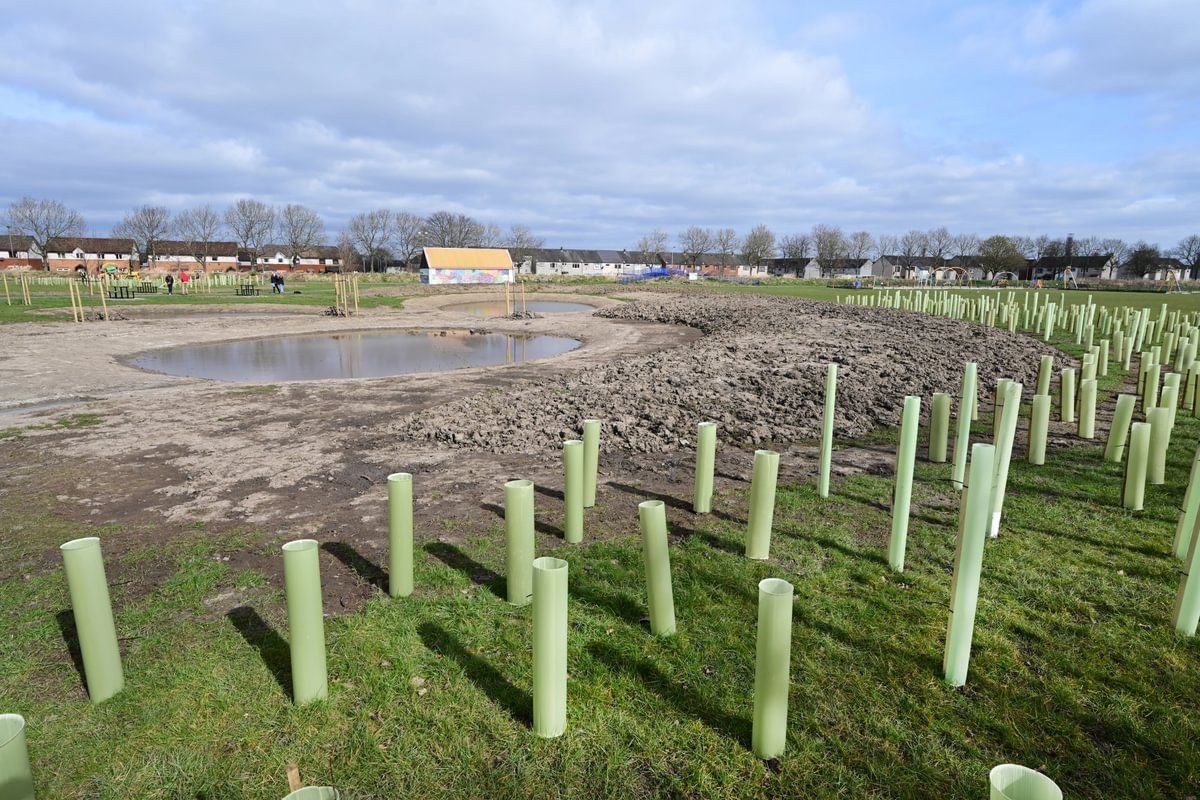
Rannoch Park in Grangemouth was identified as a suitable greenspace for improvement works to support the delivery of the Climate FORTH (Furthering Our Resilience Through Heritage) project by Inner Forth Futures (IFF). A series of interventions focus on reducing the impacts of heavy rainfall and supporting climate adaptation and resilience. Through the development, an Iron Age (700BC – 500 AD) scheduled ancient monument was discovered hidden under the grass.
Click and read the transformative story of Rannoch Park, Falkirk

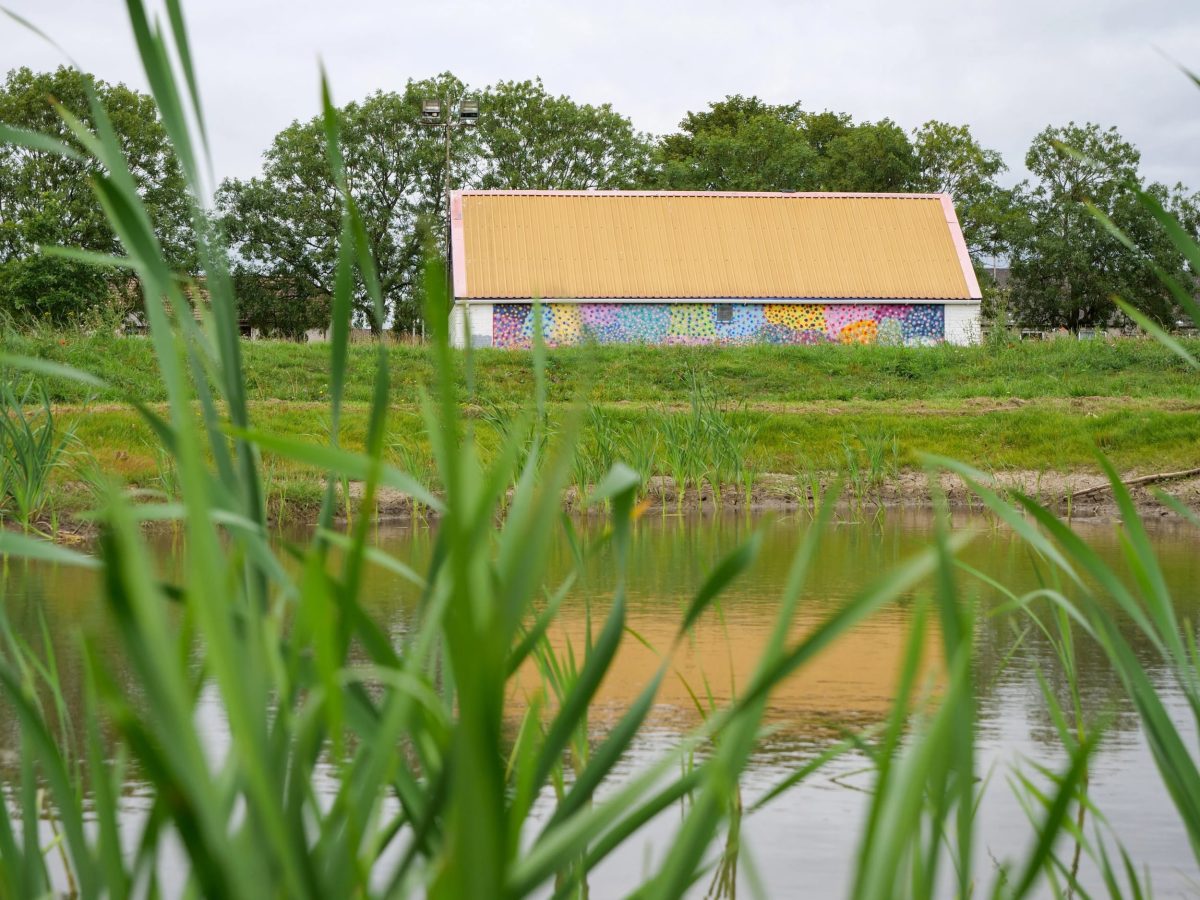
Award Winning Restoration
Coves Reservoir, Inverclyde
Nestled on the slopes between Greenock and Gourock, Coves Reservoir comprises two small reservoirs that once served as a vital water supply for the surrounding communities.
Designated in 1998, Coves Local Nature Reserve spans about 48 hectares of mixed habitats. In early 2024, Inverclyde Council secured a £200,000 investment from the Scottish Government’s Nature Restoration Fund to transform the site.
Delivered via the Green Action Trust, the project unfolded over several months, bringing to life:
Inverclyde Council won the COSLA Excellence Award in Just Transition to a Net Zero Economy and the Scottish Public Service Sustainability Award for their planning, poject vision and community-orientated delivery. They demonstrated how investment and nature-based thinking all came together to reshape this urban green space into a haven for both people and wildlife.
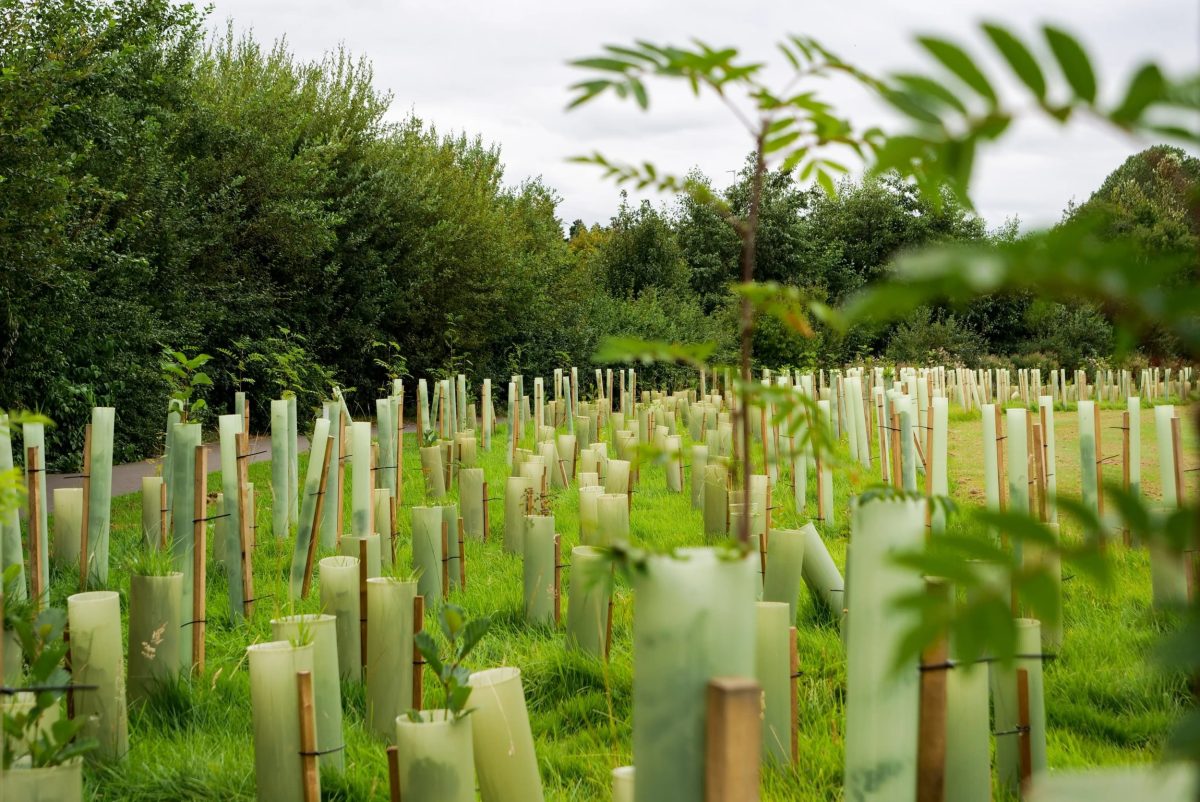
Bringing in trusted expertise through the Green Action Trust helped create a space that is flourishing with new woodlands and wildflower-rich grasslands. It is also envisioned as a learning ground and leisure space for local schools, and for peaceful reflection, health and well-being for the staff, patients and visitors to Inverclyde Royal infirmary on its doorstep.
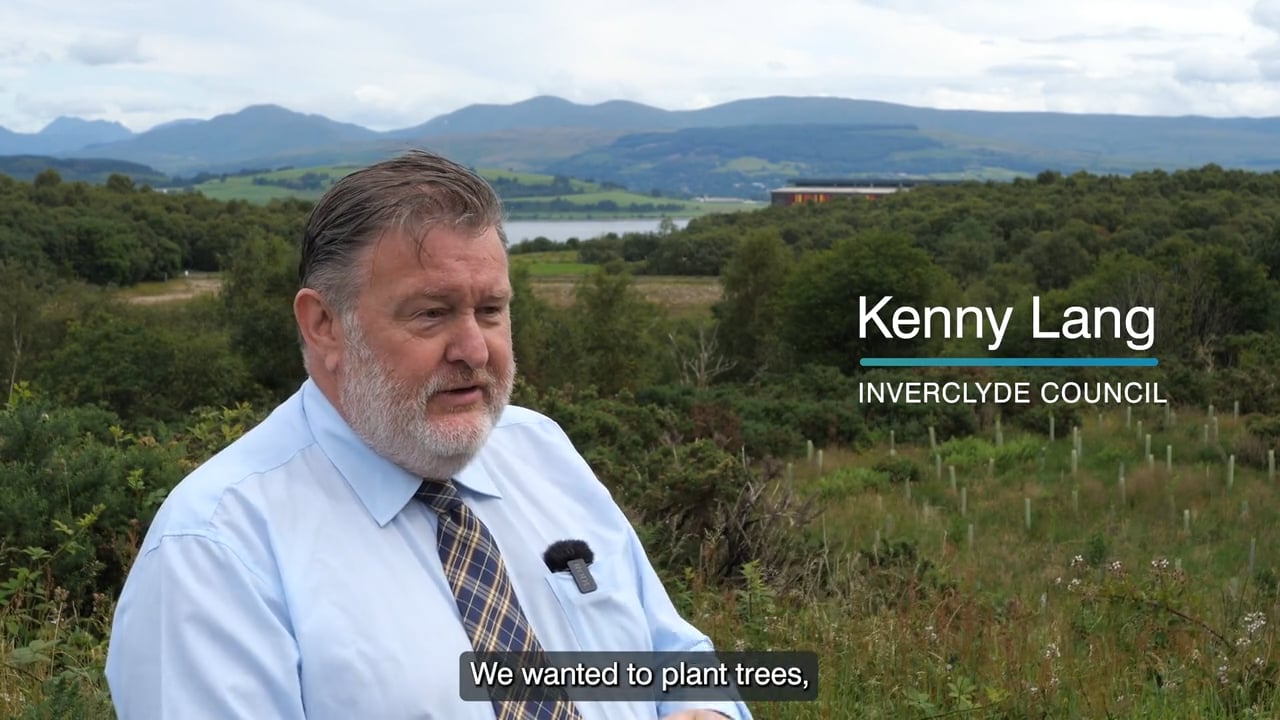
Coves is part of the Central Scotland Green Network (CSGN) vision – seeking to build climate resilience, local connections and equitable access to nature.
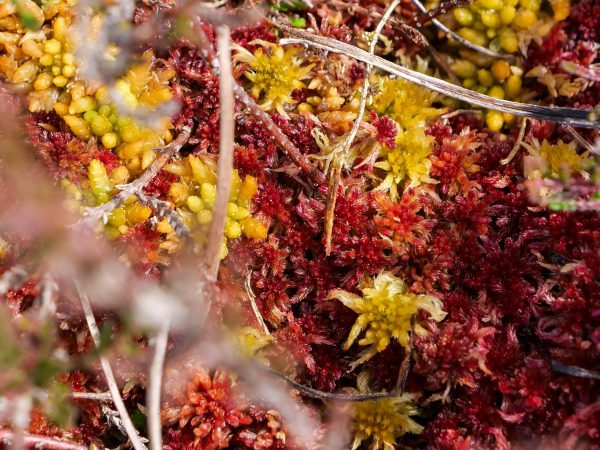
Bogs, Mosses and Peatland are often the forgotten heroes in our approach to climate change. Neglected, drained or considered devoid of wildlife, consideration of restoring them in recent years to revive not just their wildlife but ability to story carbon absorbing emissions, has put peatland and bogs in the spotlight.
Bogs and Peatland are restored through rewetting, allowing the water level to be retained so that peat forms and stores carbon. Ensuring trees do not invade as they cause drying out, whilst allowing the fascinating micro life to recover are essential components to recovering healthy bogs once more.
Within the CSGN area, a total of 6,932Ha of peatland has been restored between 2013 to 2023. This is means that 11% of all Scottish peatland restoration activity is located within the CSGN area.
Callum McLean of West Lothian Council shares why Peats and Bogs are lesser known climate change superheroes.
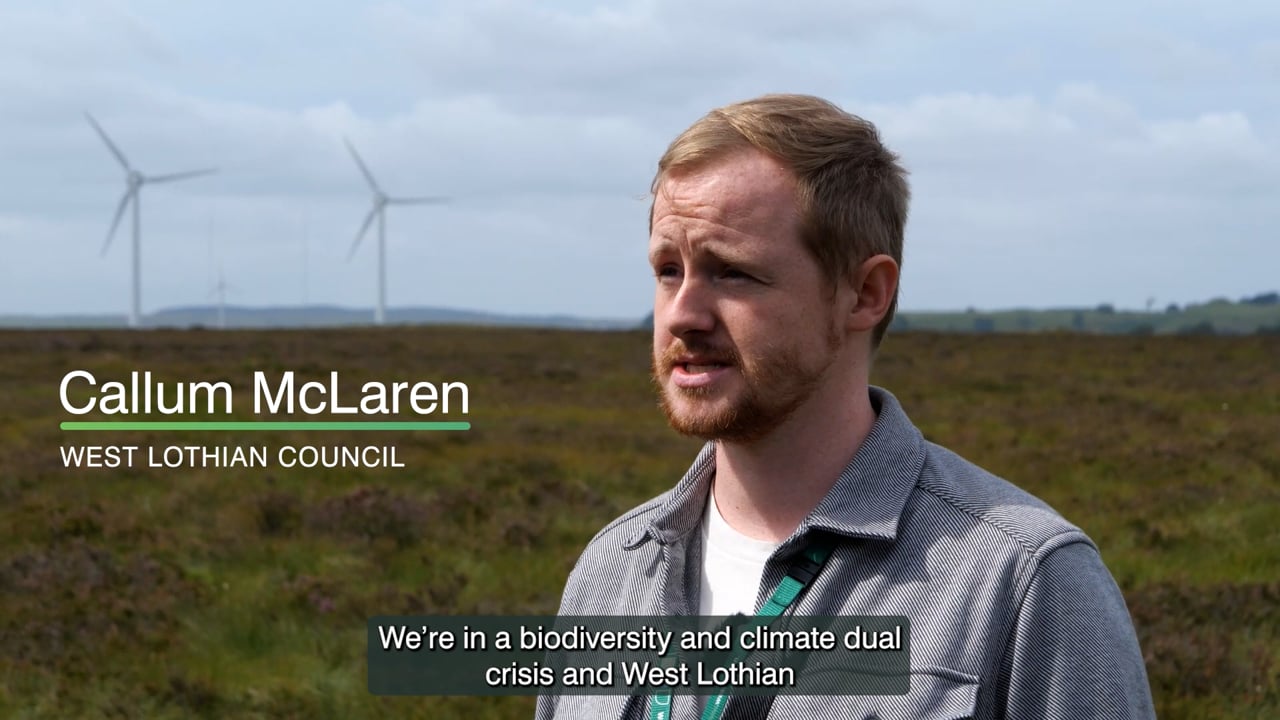
The Super Powers of Black Moss, West Lothian
Nestled on the western edge of Armadale, Black Moss is a 22-hectare lowland raised bog, a rare and vital habitat in Central Scotland. Much of the site is owned by West Lothian Council (with some in private hands) and supports a rich diversity of mosses, grasses, and wildlife. Armadale was a hub for brick manufacturing, and this legacy impacts on the site. Local volunteers, including the Friends of Black Moss and the Bog Squad, have been instrumental in restoring the bog - engaging in activities such as woodland management, litter picking, and peatland conservation. These council and community-led actions have significantly contributed to the site's ecological recovery and to a decline in anti-social behaviours.
From Bogs to Bean Counters – Restoring the Slammanan Plateau
In the lonely high ground between Falkirk and Cumbernauld, Swedish visitors return annually.
The Taiga Bean geese make the trip from Scandanavia to their over-wintering home here in Central Scotland – their only location in the UK.
Alongside the Black Darter Dragonflies and loads of other bugs and beasties, 230 hectares of bog has been restored through programmes such as EcocoLife and the WREN Biodiversity Action Fund. The project was delivered in partnership with agencies such as NatureScot, Bug Life, Scottish Wildlife Trust, Forest and Land Scotland, RSPB and North Lanarkshire Council. Now, through volunteer citizen science, the recovery of bog vegetation is looked after by monitoring improvements in ground water levels and recording species. More than 830 species, including key indicator species and at least 35 species of Nationally Scarce/ Scottish Biodiversity List/ Red Data Book invertebrates have been recorded.
The Slamannan Bog Restoration project has made a significant contribution to the targets of the North Lanarkshire Bogs Action Plan and to the programme of bog restoration proposed in the Scottish Biodiversity Strategy.
This £2.3M project linked a number of different partner organisations and sites ranging from industrial brownfield sites (in the Inner Forth) to an old quarry (Whitesands) to National Nature Reserve peat bogs such as Flanders Moss and Blawhorn Moss.
Key achievements of the project include:

Networking Scotland’s Nature
Scotland’s landscapes seem vast. However, over time, as roads have intersected the land and towns expanded, once-connected habitats have shrunk into “islands” of nature, surrounded by a sea of human land use. These small areas are often too small to support healthy populations of plants and animals, and the distances between them are often too wide or dangerous for wildlife to cross.
This is where the idea of Nature Networks was born. Connecting these “islands” and creating habitat corridors, stepping-stones of wild places, and restored areas that link nature-rich sites across Scotland. A Nature Network allows animals to move, connect, and survive, turning isolated patches into part of a larger living system. They also enable land management to proceed alongside nature, whilst creating space for people to enjoy.
Nature Networks are central to Scotland’s vision for tackling the twin crises of climate change and biodiversity loss. NatureScot has oversight of the Nature Networks Framework which sets out how they should be created, supported by the Scottish Biodiversity Strategy and its Delivery Plan, National Planning Framework 4, and the Scottish National Adaptation Plan (SNAP3). They are woven into local council plans too, from Local Development Plans to Local Biodiversity Action Plans.
Building these nature networks is a challenge, as many Local Authorities have too few resources, limited funding, and difficulties engaging communities and partners. The vision is clear, the need is urgent, but the path forward requires stronger support if Scotland’s wild web is to be restored.
The Green Action Trust is working with local authority partners on a plan to support the development of Nature Networks, to help identify barriers, opportunities, and practical approaches that can inform national guidance and future delivery. The project will also create a space which facilitates ongoing peer support and collective problem solving. Through shared experiences, creative thinking, and a willingness to collaborate, Nature Networks can reconnect Scotland’s nature.
More stories of impact


