
Greening the Landscape in Partnership
Discover stories of new partnerships, breaking out of organisational silos and finding new capacities and resources by working to green Scotland, together. Old railway lines have become leafy walkways. Vacant land in urban areas turned into community orchards. Together, these efforts have reimagined a greener central Scotland. To achieve this has required a shift in thinking and approach across both public and private sectors. It has been partnership have been the key to success and Landscape scale projects such as the Leven Programme, show just what can be achieved.
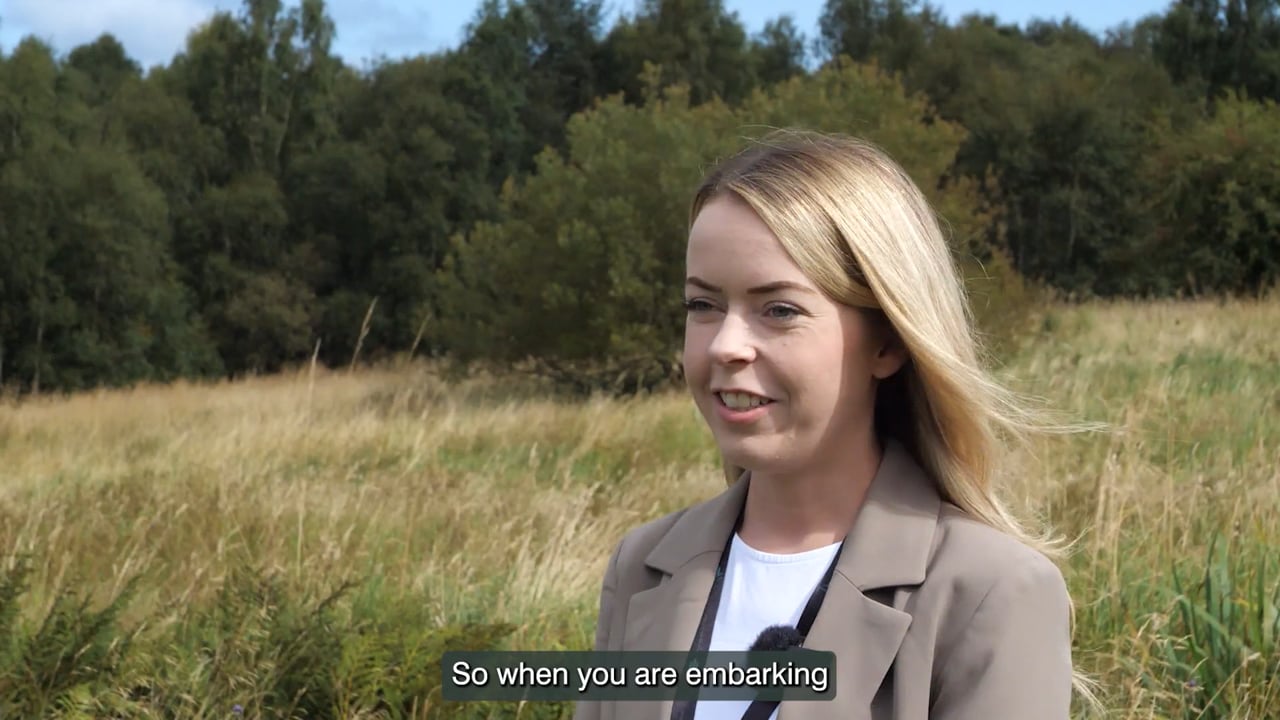
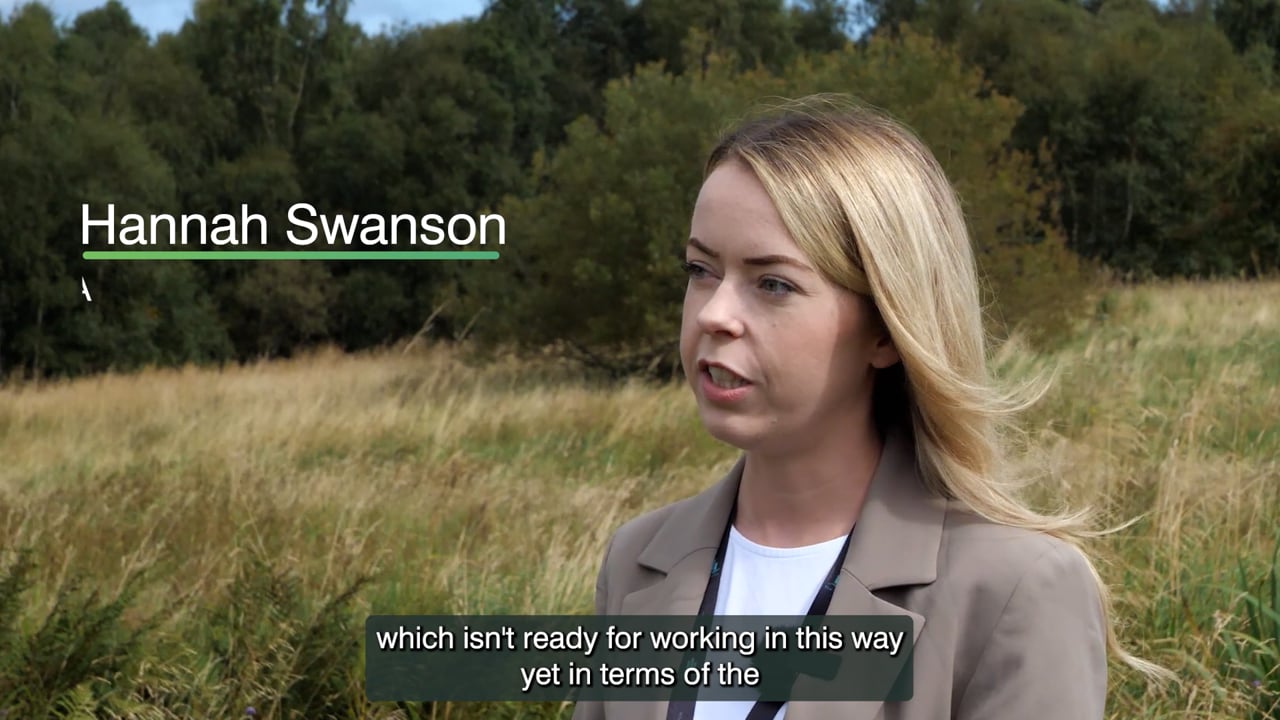
Hear Hannah Swanson from SEPA on the fundamentals needed to work in partnership. She encourages all, to do something different and be willing to share priorities with a focus on a place and community-based approach.
CSGN - Partnership at its Heart
At the heart of the CSGN is a belief in collaboration. Local councils, community groups, NGOs and agencies have all come together, planting trees, restoring peatlands, creating pollinator corridors, and reconnecting people to the nature around them. Collaboration, also offers great opportunities to change to the structure and processes of public sector organisations that can lead to an improvement in efficiency, effectiveness, and quality of service delivery.
Across the CSGN, and the many projects undertaken over 15 years, the partnership approach has realised many benefits. These had led to better outcomes and impacts on the nature and people of Central Scotland.
What has the CSGN learned about partnership working?

CSGN Partnerships: in action
Greener Kirkcaldy created the Ravenscraig Community Orchard on overgrown land within the Ravenscraig Walled Garden in the town. The orchard is used to host skills-development courses and community events. The intention is to use the new space as a resource for engaging members of the local community to grow, harvest and use their own fruit. In the first year, the site has been cleared and planted with fruit trees and bushes. Sixteen volunteers have been recruited and trained, and events and visits have involved local groups and schools.
Stalled Spaces Glasgow was an innovative idea supported through the 2011 CSGN Development Fund. It focused on using vacant and derelict land, stalled development sites, and under-used green spaces, particularly in town centres. This initiative went from strength to strength, winning national and international awards. Such as the 2013 City to City FAD Barcelona Award for urban transformation processes. The Initiative was recognised by the Scottish Government at the Scottish Awards for Quality in Planning in the Community Involvement category.
Watch Stalled Spaces Videos - Glasgow City Council >
In 2014, Architecture and Design Scotland rolled out a national initiative across other parts of Scotland.
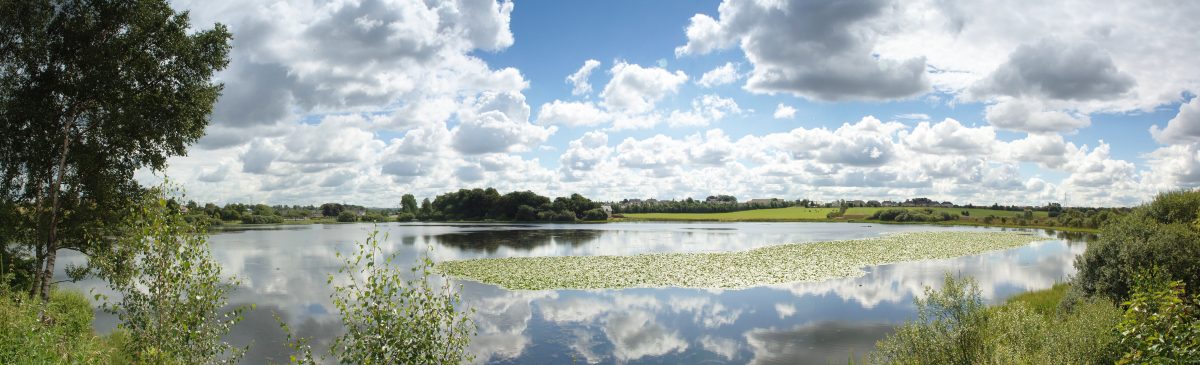
The CSGN championed and supported Glasgow & Clyde Valley Green Network Partnership (recently changed to Green City Region Green Network) in the development of the Seven Lochs Wetland Park from concept to realisation. This initiative is on the boundary of Glasgow and North Lanarkshire at Gartloch-Gartcosh. In 2012, CSGN funding enabled the Seven Lochs Wetland Park Vision and Masterplan to be finalised.
"The CSGN’s support has been instrumental in ensuring the initiative’s development, growth and sustainability, even amid challenging funding circumstances."
Scott Ferguson, Seven Lochs Project Coordinator
RSPB Scotland worked with partners to develop the Inner Forth Landscape Initiative. This aims to make the Inner Forth a better place to live, work, visit and invest in, by helping to promote its natural and cultural heritage and sustainable transport options. We also want to support communities so that they feel confident to take a greater role in managing and promoting the area’s heritage for themselves.
Our project area includes the parts of Stirling, Falkirk, Clackmannanshire and Fife that surround the Inner Forth. We have been working together since 2011.
In 2010 CSGN undertook a Community Growing Spaces Audit. This mapped the extent of community growing within the CSGN area and identified areas that would benefit most from community growing projects. This helped to support projects through working with partnership groups like the Scottish Allotment and Gardens Society (SAGS) to produce an Allotment Design Guide. Additionally, administering Scottish Government Funds directly to community groups, has enabled multiple community growing projects to flourish. To date, the Green Action Trust has distributed over £2M to community groups to fund projects which have a strong community growing element.
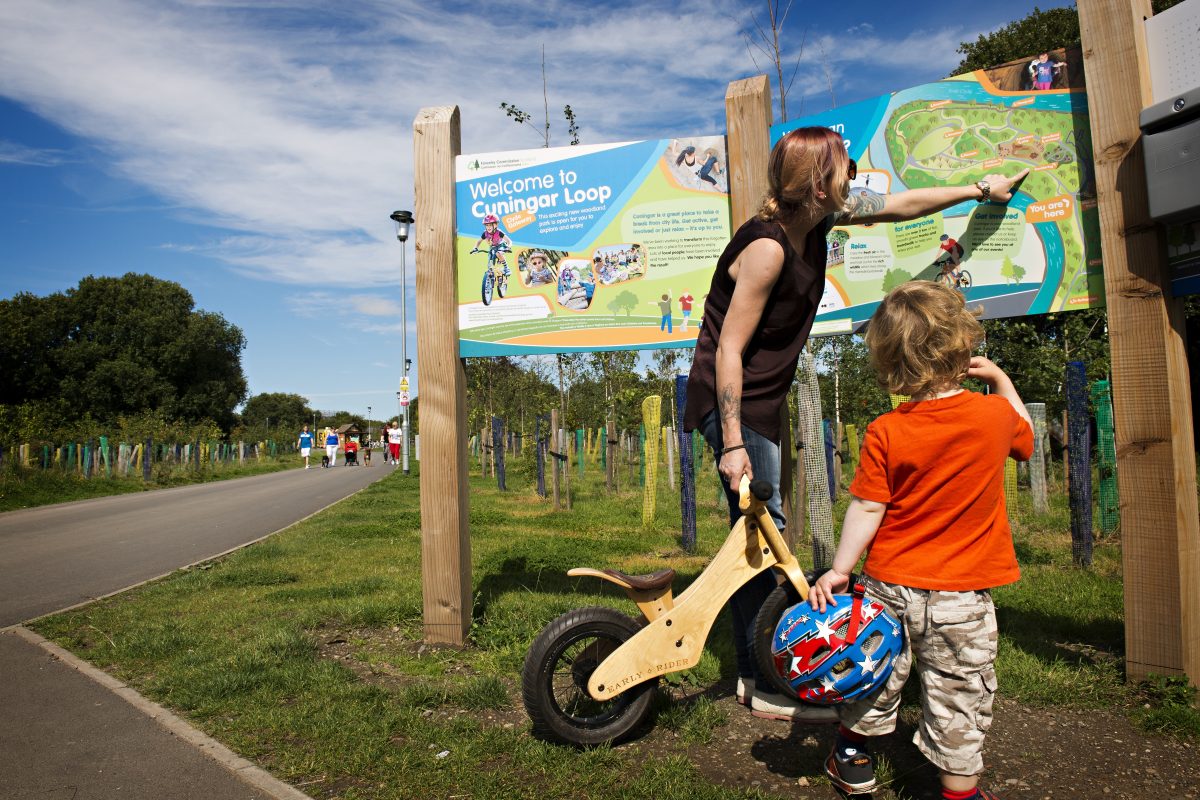
A core partner in the CSGN, Scottish Forestry has always been at the forefront of making better places for people. This includes developing 14 Woodlands as part of the 2014 Commonwealth Games legacy, financial support through the Woods in and around Towns funding and CSGN Locational Premium Schemes as well as small-scale local projects of huge importance to those living and working nearby - for example the Cunningar Loop in Glasgow.
Read about Cuningar Loop by Forestry and Land Scotland >
Discover more about this project from VisitScotland >
Growing with the Flow
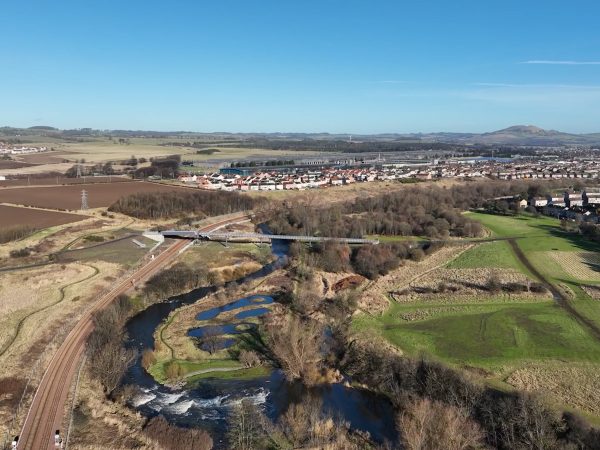
There’s a river that runs through the heart of Fife, rich with wildlife, industry, and local life. The River Leven has long been part of the area’s story. But over time, the river became hidden , cut off by fences, old industrial sites, and forgotten land.
Now, the Leven Programme, is showing that the CSGN vision works at scale across a landscape.
Formed in 2018, the partnership brings together public bodies, businesses and community representatives who want to make a positive difference to the river and its surrounding areas.
The Leven Programme is more than a river project, it’s a bold, collaborative effort to transform the Leven catchment into a thriving place for nature, communities, and enterprise.
The goal embedded in the CSGN is simple but ambitious: to reconnect people with the river, restore the surrounding environment, and unlock new social, environmental, and economic opportunities for the region.
At its heart is partnership working.
Led by Scottish Environment Protection Agency (SEPA) and supported by over 30 partners, including Fife Council, Scottish Water, NatureScot, Sustrans, Green Action Trust, community groups, and local businesses, the programme is a model of what can be achieved when sectors come together around shared purpose and truly “Growing with the Flow”.
How Partnership is Making Change Possible for The Leven Programme

In the early stages, partners worked together to map out physical, social, and economic barriers to progress old infrastructure, pollution, and disconnected communities.
Then they asked: what could this place become?

From day one, the Leven Programme involved local people, not just in consultation, but in co-design. Workshops, pop-ups, school projects, and walking audits gave residents a say in the changes they wanted to see. Their vision shaped the plan.

By working together, partners have pooled funding, shared expertise, and aligned strategies. Instead of working in silos, agencies are delivering integrated outcomes, from improved active travel routes to better water quality, greener public spaces, and restored habitats.
The Leven Impacts So Far
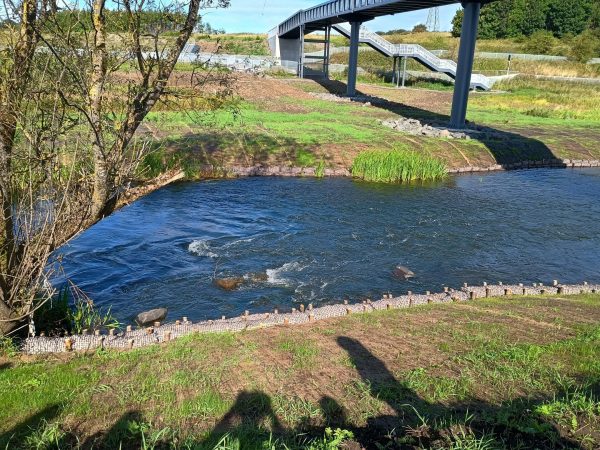
- Environmental Renewal: Work is underway to open up parts of the river, restore natural flows, remove barriers to fish migration, and create habitats for wildlife.
- People-Focused Places: New walking and cycling routes are reconnecting towns, schools, and services to the river. Community gardens and outdoor learning zones are emerging where fences once stood.
- Local Pride and Skills: Community projects have brought new energy to the area, and green skills training is opening pathways into nature-based careers.
- Resilient Infrastructure: Sustainable drainage systems, greenspace improvements, and nature-based flood protection are helping the area adapt to climate change.
Partnership in Action
The Leven Programme isn’t owned by any one organisation. It’s shaped by all who live and work along the river. It shows that when partners share power, listen locally, and invest in place, regeneration becomes more than repair, it becomes renewal.
As more projects break ground and more voices join the conversation, the River Leven is beginning to flow freely again, not just as a waterway, but as a connector of people, places, and potential.

The Leven Programme is showing what can happen when partnership becomes practice, where environmental ambition, community insight, and collaborative leadership come together.
It’s not just about restoring a river. It’s about creating a new story for the region, one rooted in connection, opportunity, and hope and “Growing with the Flow”.
More stories of impact


