
From Policy to Practice
From 1985, the Central Scotland Countryside Trust, created and expanded woodlands. Renamed the Green Action Trust (GAT) and since 2010, has had a lead role in driving forward the Central Scotland Green Network (CSGN).
Let’s look at the impact on communities, on land, on people and nature that the CSGN has accomplished in those past 15 years and how it may develop in the future.
Central Scotland Green Network is born
Back in 2010, the world was still waking up to the realities of climate change. There were signs such as the melting Arctic ice, record heatwaves, and vanishing rainforests but most people lived as if the planet would keep absorbing our impact forever. For many, sustainability was a buzzword, not a priority. Nature was viewed as something separate from us, something to use, not protect.
Yet within this period, there was a growing awareness of the need for large scale nature restoration and the CSGN moved from an idea, to a vision which gained support from the Scottish Government and key agencies like NatureScot and Forestry Scotland.
The CSGN vision addressed the need for a more sustainable relationship with nature and considered what could be achieved through a macro-scale initiative to revitalise the communities and landscapes of the once industrial heartland of Scotland.
Over the last 15 years, the CSGN has ensured ideas become actions and policy is turned into practice. Its success has been achieved through partnerships, that deliver projects that benefit both people and nature.

Policy in Practice: Planning Scotland’s Green Network
Tom Arthur MSP, then Minister for Public Finance, Planning and Community Wealth, speaking about the National Planning Framework 4 (NPF4), in February 2023 said
“The world is changing, and so are Scotland’s places. This strategy sets out how we will work together in the coming years to improve people’s lives by making sustainable, liveable and productive places. This will play a key role in delivering on the United Nations Sustainable Development Goals, as well as our national outcomes.”
These words also reflect the purpose of the Central Scotland Green Network, a National Development embedded within the National Planning Framework 4. Adopting a holistic and integrated approach to policy needs a mindset shift and a culture that encourages collaboration across national and local government. A positive and sustainable society in Scotland, across all policy areas, is achievable, but needs the convening and practical approach of the CSGN, delivered through the Green Action Trust (GAT) and its partners.
The CSGN in Local Development Plans
With the CSGN embedded within the national planning framework, local authorities are required to incorporate the CSGN into their development plans. This means that the CSGN is realised through actions that are supported by and for the benefit of local communities. Yet, when considered across 19 local authorities, their combined commitment is significant to the CSGN vision and principles making a substantial contribution to national biodiversity and climate change targets as well as a better life for Scotland’s people.
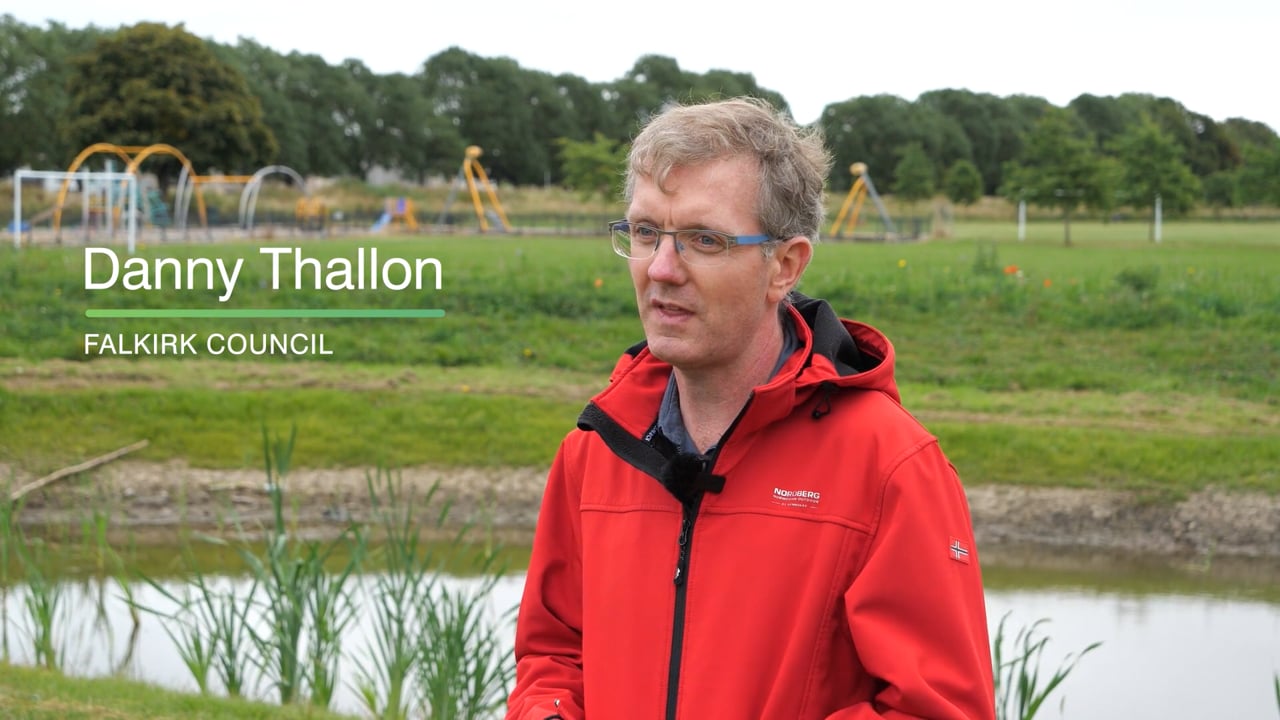
Hear how Falkirk Council see the benefit of the CSGN in their greenspace projects.

Connecting Nature: Scotland's Biodiversity Strategy
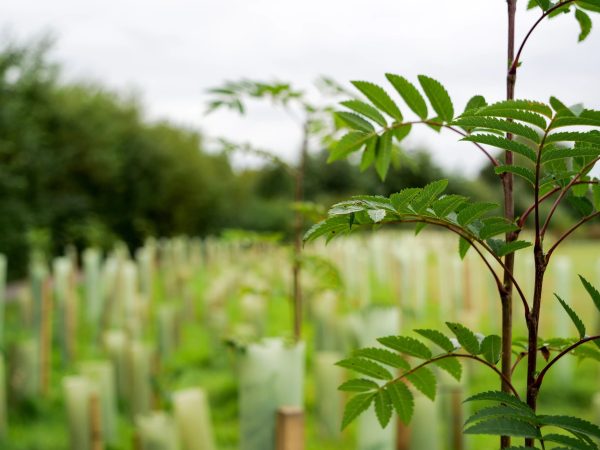
Given how much biodiversity has been lost over the decades, protecting and improving habitats for wildlife and people is a national priority. The CSGN directly supports and delivers the goals of Scotland's Biodiversity Strategy. It focuses on habitat protection, restoration and connectivity across places, local authorities and organisations. These are essential components, to create the spaces and conditions for wildlife to thrive once more.
CSGN projects have been taking positive action to help tackle biodiversity loss and increase the total amount of nature-rich habitats, ensuring they are conserved and better connected. In this way the CSGN contributes to the global 30 by 30 targets (see the 30 by 30 Framework). The implementation of the CSGN also helps to deliver the Nature Networks ambitions, connecting wildlife across all 19 local authorities.
Together, these efforts tell a powerful story: of landscapes greened and healed, of communities strengthened, and of a Scotland that is seeking to work with nature.
Our story in pictures


Money Talks - the CSGN Development Fund
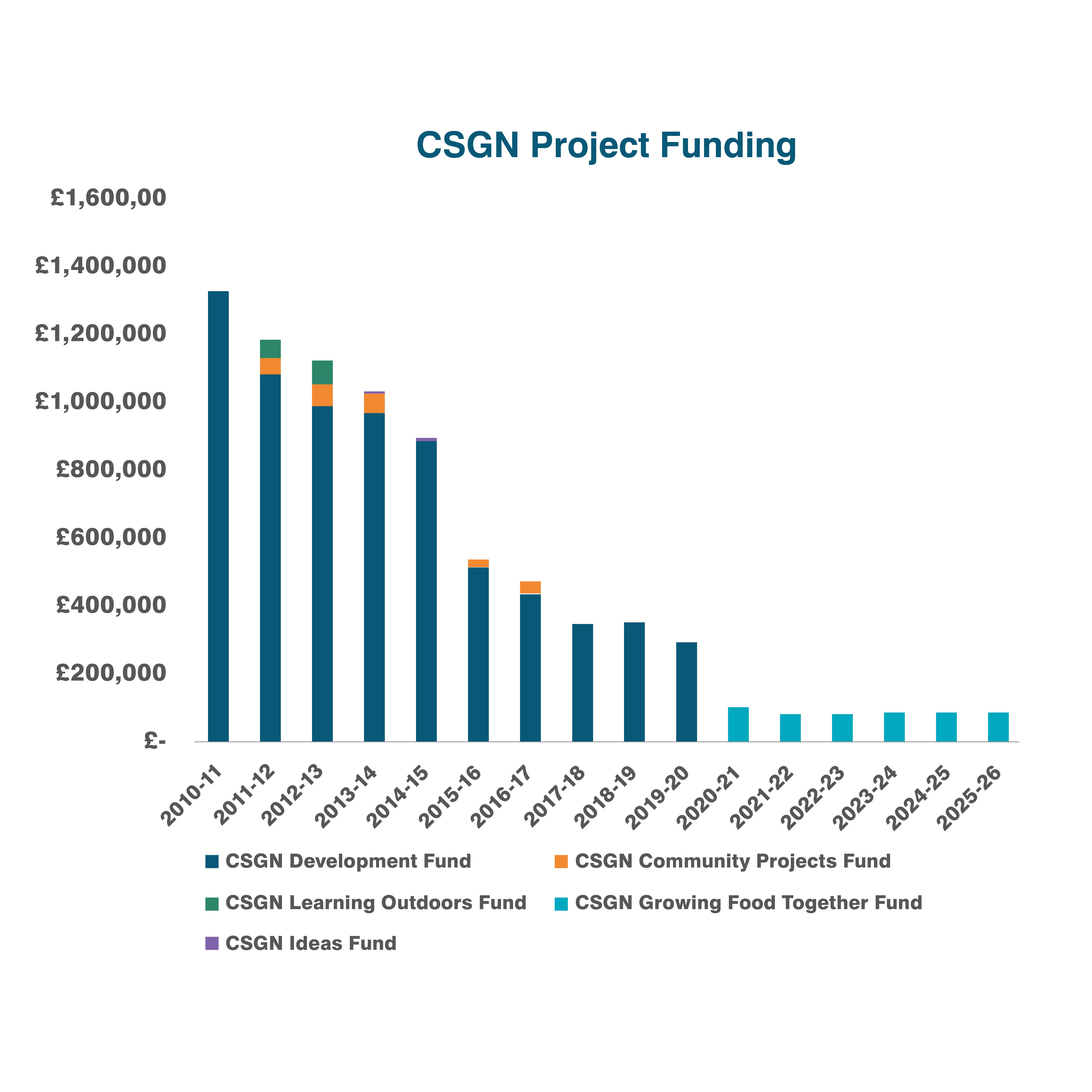
Bringing change to life is an investment in the future of Scotland’s nature and its people. When the CSGN was created 15 years ago, a range of Scottish Government funds were established to stimulate new plans and projects across the network.
Through the CSGN Development Fund, the Central Scotland Forest Trust — now Green Action Trust (GAT) — was able to distribute funding that inspired, progressed, and delivered more than 300 transformative projects. These included woodland access improvements in South Lanarkshire, a new adventure playground in Glasgow, pollinator corridors spanning multiple local authorities, flood-mitigation measures in East Ayrshire, and more than 80 community growing projects located throughout the CSGN area.
Another highly valued resource was the CSGN Community Project Fund (CPF), which operated from 2011 to 2018. It focused on supporting small-scale, community-led initiatives that connected people with their local environments. The fund provided vital support to early-stage community projects that might not yet have been eligible for larger funding programmes. During its operation, over 200 CPF projects across the CSGN area received awards of up to £3,000, with community feedback highlighting the significant positive impacts achieved through these modest grants.
Other projects delivered through the CPF saw the creation and essential maintenance of community orchards in East Dunbartonshire and in Fife, supported African migrants to engage with a local community in Glasgow and created a growing space on a disused bowling green Carntyne, Glasgow. Another project saw the transformation of a drab unused external space in Glasgow’s East End into a colourful community asset for public events and creative activities, whilst a fairy den was created in a disadvantaged area of East Dunbartonshire.
Beyond the CSGN specific funds, a further 250 projects undertaken between 2014-23 were delivered by GAT directly. Many of these projects brought together multiple funding external sources, such as the National Lottery Heritage Fund, and were delivered in close collaboration with partners across the CSGN area.
The CSGN Community Project Fund - from tiny acorns...
Over the last 15 years there have been diverse types of funds, both large and small. One of the most popular funds was the CSGN Community Project Fund (CPF). This was in operation from 2011-18. It focused on supporting small-scale, community-led projects connecting people to their local environments. It provided vital assistance to those embryonic community projects which might not have been eligible for larger funding programmes.
During the funding period, over 200 projects were awarded up to £3,000 each and successful applicants were located throughout the whole of the CSGN area. As demonstrated in community feedback, they reported huge positive impacts from the modest awards that they received.
Other projects delivered through the CPF saw the creation and essential maintenance of community orchards in East Dunbartonshire and in Fife, supported African migrants to engage with a local community in Glasgow and created a growing space on a disused bowling green Carntyne, Glasgow. Another project saw the transformation of a drab unused external space in Glasgow’s East End into a colourful community asset for public events and creative activities, whilst a fairy den was created in a disadvantaged area of East Dunbartonshire.
Community Groups were universally enthusiastic about their award.
“The award has provided the spark that has ignited our enthusiasm and the results of the three months hard work have astonished and delighted us.”
Clackmannan Town Hall Community Garden.
Some projects came from schools who wanted to make the best out of their grounds to deliver educational and skills training experiences. A good example of this is Dunblane Primary School which used its grant to pay for tools and materials for a school kitchen project.
“Our children were able to grow, harvest and cook with the produce we grew in our planters. Without the funding this could never have happened.”
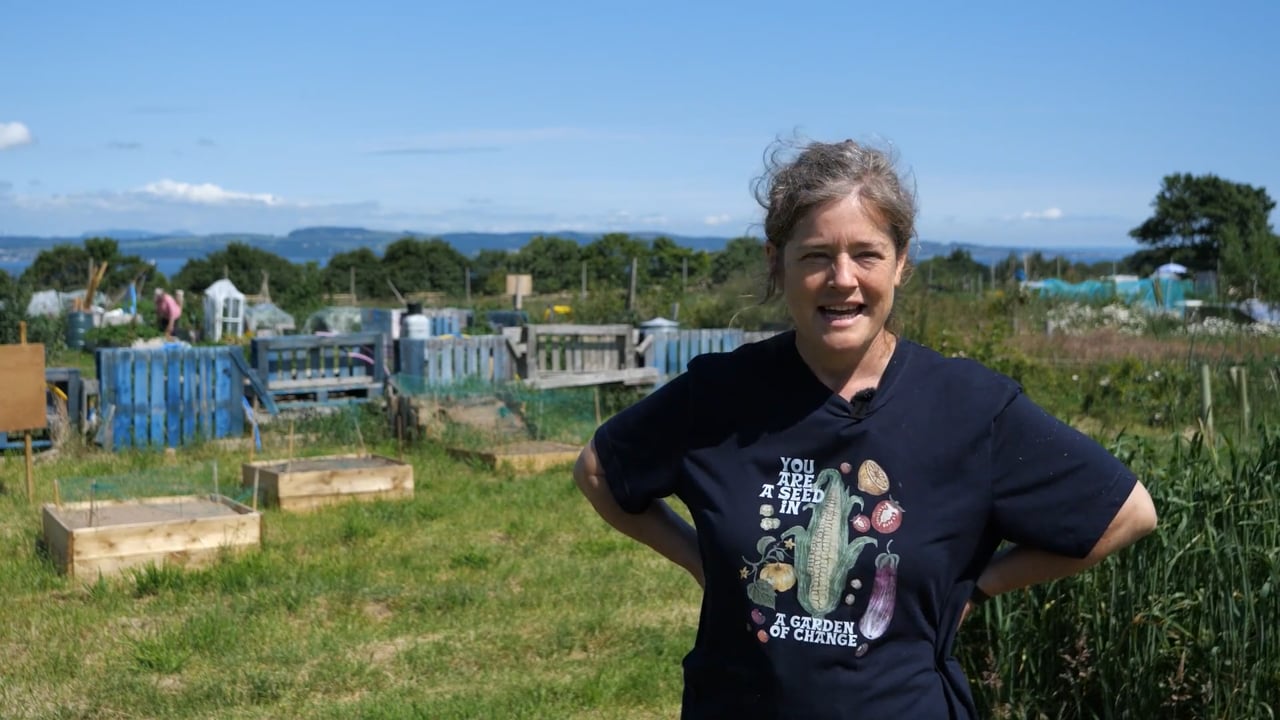
Growing Food Together Fund continues and is distributed and managed by the Green Action Trust.
The Growing Food Together Fund (GFTF) provides money for projects that deliver the Scottish Government’s Good Food Nation policy objectives. A cash boost is provided to community growing projects across the whole of Scotland. Projects can apply for part of the annual £100,000 fund that aims to foster and encourage people to grow and learn about food. It also promotes healthy eating and outdoor exercise. This small fund of £0.5M has been spread across 67 projects since 2019. Lisa Houston from Lauriston Agroecology Farm explains the real difference their GRT fund award made.
“We were successful in being awarded £15,000 from the GFTF in 2021. It came at a crucial time as we were just getting started... we bought some of the key equipment and it helped us get the initial infrastructure in place, the first trees and the first tools. It was really helpful too, to get a wee bit of staff time too to get it all started.”
Lisa Houston , Lauriston Agroecology Farm Edinburgh


