

From Grey to Green
What is the Central Scotland Green Network? An idea? A Concept? A Network? Why was it initiated and what is it seeking to achieve? Read on to find out more.
There was a time when Central Scotland was seen mainly as the “corridor” between cities. A place defined by its roads, post-industrial towns, and hidden green spaces. But for 15 years, that image has changed, thanks in large part to the vision and partnership behind the Central Scotland Green Network (CSGN).
The CSGN isn’t just a project or a concept. It’s a movement. A network of communities, local authorities, charities, businesses, landowners and government agencies all working together with one clear goal: to make Central Scotland greener, fairer, and more prosperous.
Central Scotland has been through change. The change is happening with our communities, not just around them, and people have noticed the change.
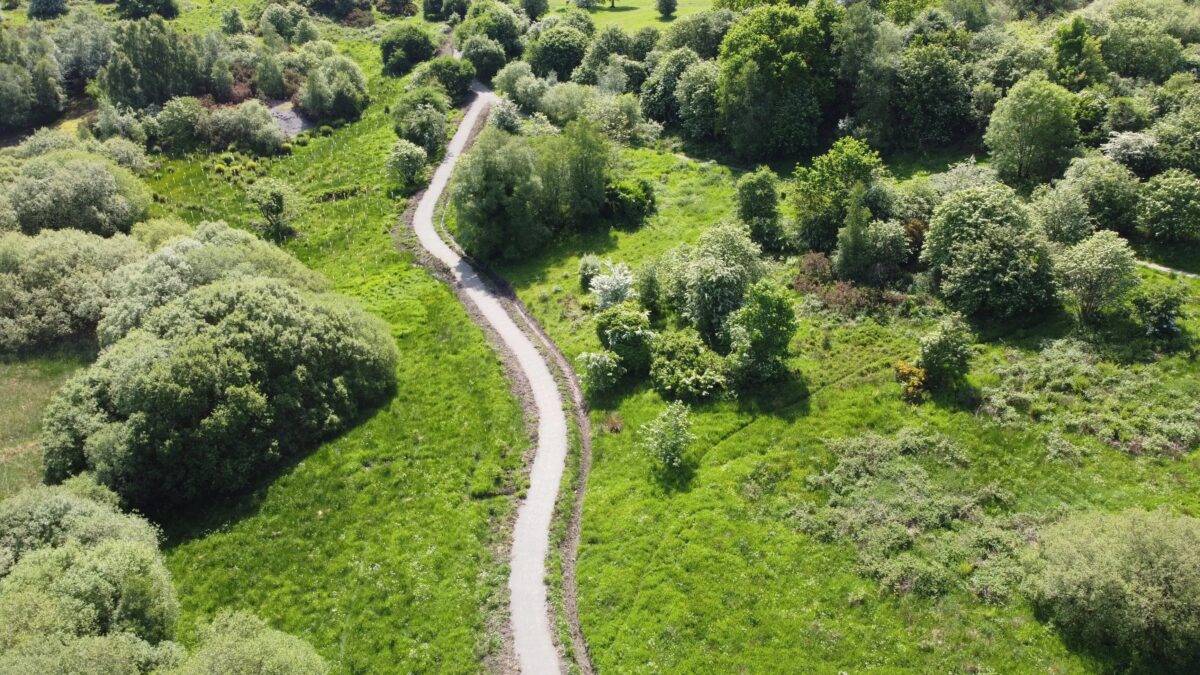

Green Lights
Green lights emerge from the darkness showing where new life has been breathed into old forgotten places and nature has returned, making better places for people and communities. Since its inception the CSGN has taken a holistic approach to solving the biggest issues facing the environmental wellbeing of central Scotland. A huge number of partners are involved in delivering projects.
This is only a small sample of projects undertaken by the Green Action Trust and its predecessor organisations. Many more have been achieved by the 19 local authorities across the CSGN and the committment of CSGN partners.
Transforming Places for People and Nature
The Central Scotland Green Network was conceived, with a big ambition, to transform 10,000 square kilometres of central Scotland over a 40-year timeframe into a healthier, more resilient, and equitable landscape. Making it one of the biggest projects of its kind in Europe. Its purpose was and remains clear, to respond directly to the interconnected challenges of climate change, biodiversity loss and environmental inequality.
From the outset, previous and current the Scottish Governments have recognised the importance of the CSGN and placed its delivery under the oversight of the Environment and Economy Leaders Group (EELG). Acting on behalf of government, the EELG brought together the agencies central to environmental policy and land management: Forestry and Land Scotland, NatureScot, SEPA, Scottish Forestry, and the Scottish Land Commission, Marine Scotland, The Crofting Commission, Loch Lomond and the Trossachs National Park and Cairngorms National Park. Their shared role was to ensure that the CSGN network developed in alignment with national priorities while benefiting from collaboration across the public sector.
From the start, the CSGN was woven into the fabric of national policy. Its importance was recognised in Scotland’s National Planning Framework, and now it is an important strand in delivering the Scottish Biodiversity Strategy and other key national targets. Over time, it inspired and supported large-scale projects like the Clyde Climate Forest, the Leven Programme and the Inner Forth Initiative. As these multi-themed partnership projects have emerged, they have enabled greater scope for public sector efficiency, with ever closer working across key policy areas such as the twin crisis of climate emergency and biodiversity loss. Piece by piece, the vision of the CSGN has grown closer to reality, showing how collective action can transform landscapes and lives across central Scotland.
Explore transformations from grey to green

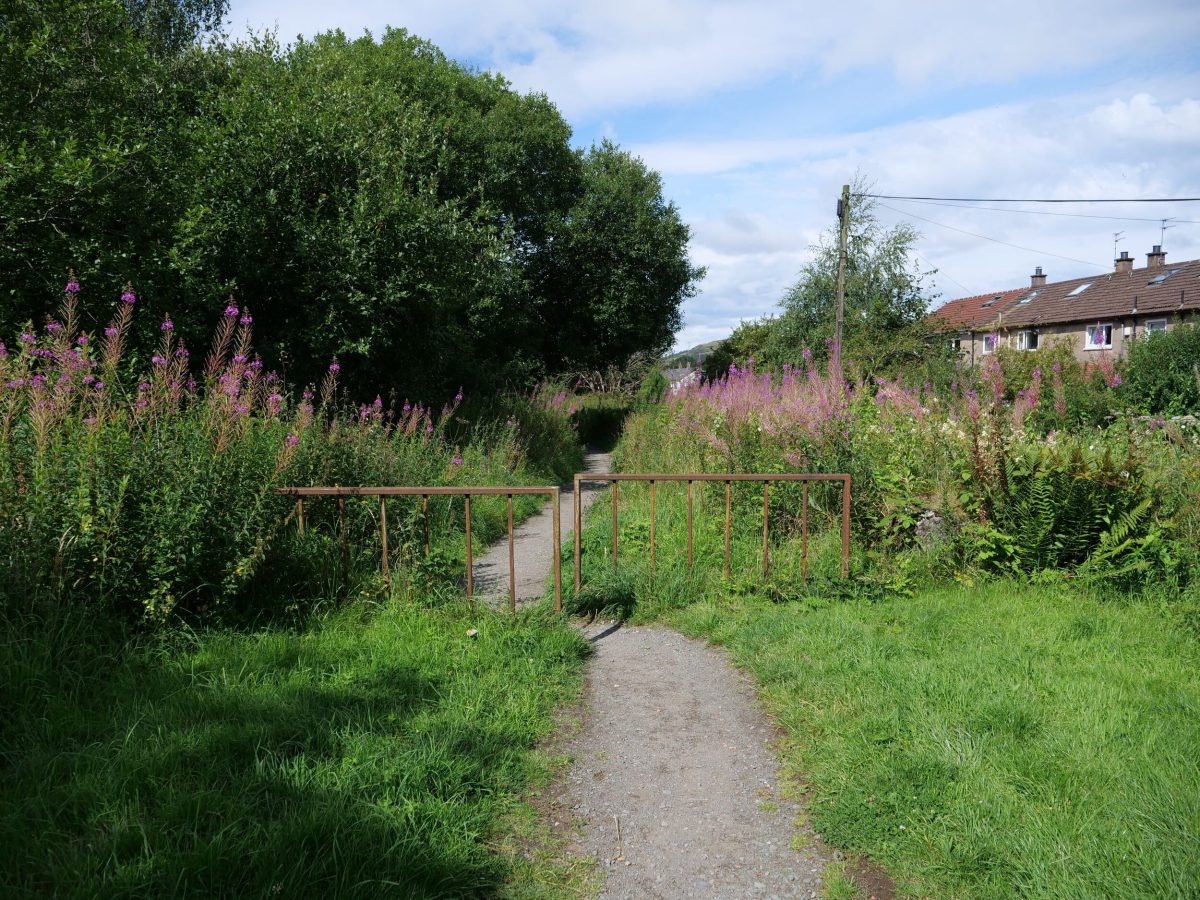

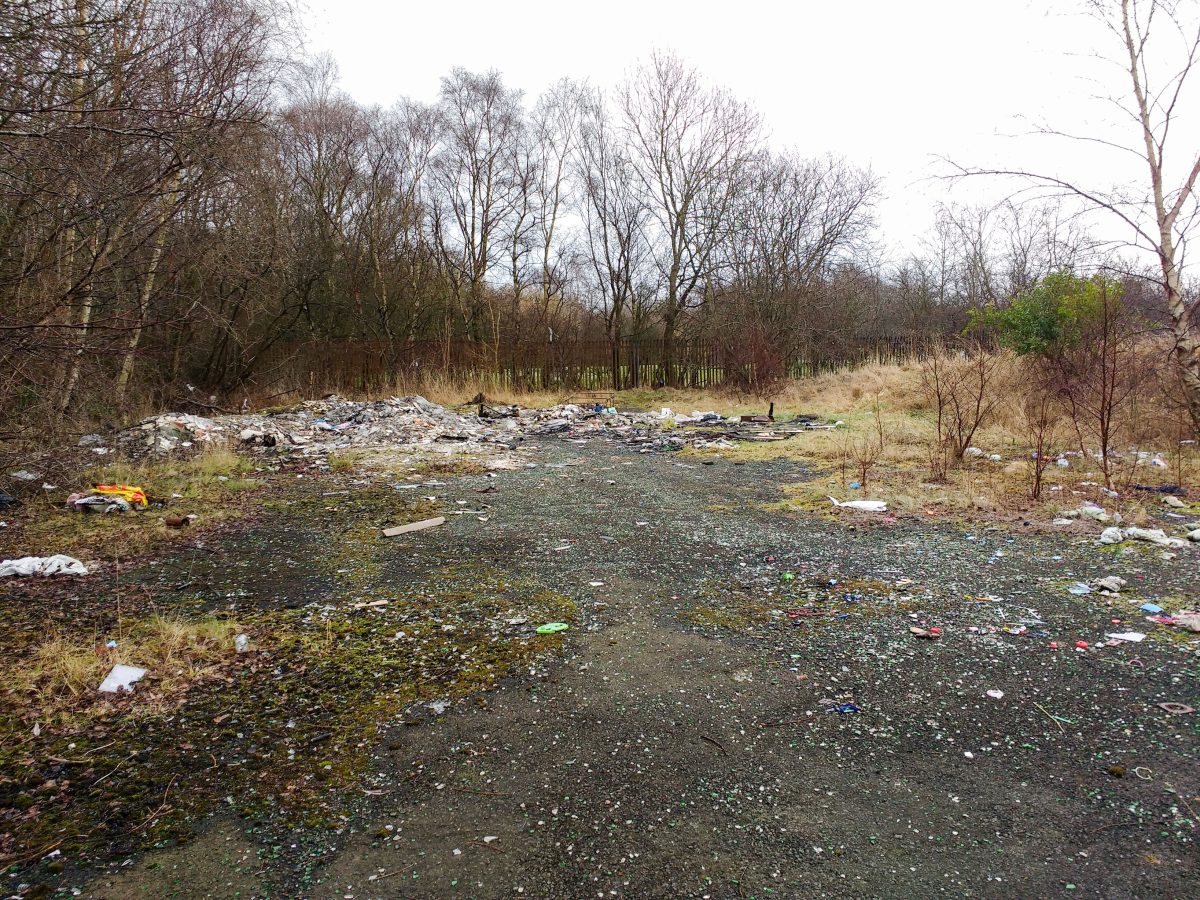
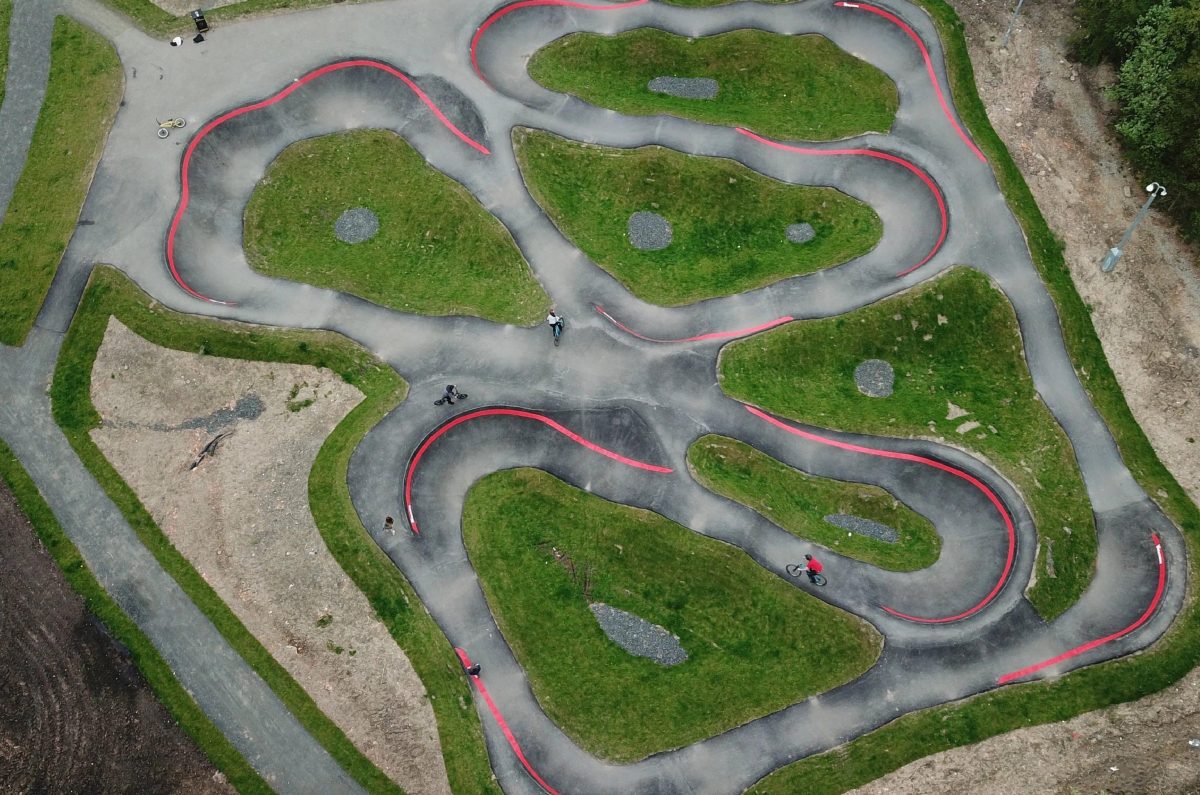



CSGN - Four Areas of Impact
The CSGN is currently considered over 4 areas of work
Developing Natural Climate Solutions
Making Liveable Places
Promoting Health and Wellbeing
Supporting a Green Recovery
Go to the CSGN website, by clicking on the links below to find out how these projects have transformed Central Scotland from Grey to Green.

Delivering projects that use natual solutions to adapt to and mitigate climate change impacts. These include intiatives to increase carbon capture particularly through woodland creation, peatland restoration and improved wetland and coastal management.

Promoting the role of high quality green infrastructure in placemaking and urban design. These projects create multifunctional greenspaces in new developments and existing places, while improving biodiversity and habitat connectivity.

Focusing on the positive role that access to quality greenspaces has on people’s health, wellbeing, and overall quality of life. This includes embedding community growing as part of local food growing strategies, encouraging outdoor physical activity and green active travel.

Encouraging the incorporation of low carbon energy generation into the design and management of greenspace and green infrastructure. Includes creating green uses for Vacant and Derelict Land that benefit local communities and economies.
The CSGN in numbers
87%
of Scotland's Most Disadvantaged Areas
TACKLING ENVIRONMENTAL INEQUALITY WHERE ITS IS NEEDED MOST.
The CSGN has some of the highest rates of social and economic deprivation in Scotland.
9,000
Hectares of Vacant and Derelict Land
THE CSGN AIMS TO ADDRESS VDL WITHIN ITS BOUNDARY BY 2050.
This accounts for 78% of Scotland's total area classified as Vacant and Derelict Land
20 Million
Trees Planted and Counting
CREATING NEW WOODLAND, GREENSPACE AND HABITATS.
This connects people with nature and addresses biodiversity loss and the climate emergency.